


Categories
Transient Tachypnea of the Newborn: What It Is, Why It Happens and How It's Treated
Jul 27, 2026
What Does Tachypnea Mean?
Tachypnea, in medical terms, is rapid breathing. A newborn baby normally breathes 40 to 60 times per minute. Breathing more than 60 breaths per minute is called tachypnea. In older children and adults, the threshold is lower. Tachypnea itself is a sign rather than a diagnosis, and it can result from several different causes in newborns. Prompt evaluation identifies the specific cause and guides care.What is Transient Tachypnea of the Newborn?
Transient tachypnea of the newborn is a common respiratory condition that affects around 4 to 6 out of every 1,000 full-term babies. It happens because the amniotic fluid in the lungs is not fully cleared during birth, making it harder for the baby to breathe efficiently in the first few hours after delivery. The word transient reflects a defining feature: symptoms typically resolve within 12 to 72 hours as the fluid is naturally reabsorbed.Common Causes and Risk Factors
TTN happens because normal lung fluid takes longer to clear. Common risk factors include:- Delivery by caesarean section (particularly without labour)
- Precipitous or very rapid delivery
- Male gender (slightly higher incidence)
- Maternal diabetes
- Maternal asthma
- Large for gestational age (macrosomia)
- Delivery slightly before 39 weeks
Signs and Symptoms to Watch For
Newborn breathing problems can look alarming to parents. TTN usually presents shortly after birth with:- Rapid breathing (more than 60 breaths per minute)
- Grunting sounds while exhaling
- Nasal flaring
- Chest wall retractions (skin pulling in between the ribs)
- A slightly bluish tinge, especially around the mouth
- Increased effort in breathing
How is Transient Tachypnea Diagnosed?
TTN is a clinical diagnosis, meaning it is identified based on the baby's symptoms and history. Doctors will usually order:- Chest X-ray: Shows characteristic patterns suggesting retained lung fluid.
- Pulse oximetry: Measures oxygen levels continuously.
- Blood tests: To rule out infection or other newborn breathing problems.
- Blood gas analysis: Assesses how well the lungs are exchanging oxygen and carbon dioxide.
Treatment for Transient Tachypnea
Because TTN is self-limiting, treatment is mostly supportive. Common approaches include:- Supplemental oxygen through nasal prongs or a hood
- Continuous positive airway pressure (CPAP) in more severe cases
- Intravenous fluids until feeding can safely begin
- Monitoring in the neonatal intensive care unit (NICU) or special care nursery
- Antibiotics in some cases, if infection cannot yet be ruled out
What to Expect After Treatment
Once the baby's breathing is normal and feeding is well established, discharge is straightforward. Follow-up with a pediatrician is standard, but most babies who have had TTN have no long-term consequences and grow normally. TTN does not affect future health or increase the risk of asthma or other respiratory conditions later in life.Supporting Your Baby During Recovery
While your baby recovers from transient tachypnea, feeding is usually restarted gradually as soon as breathing is stable enough. Skin-to-skin contact with parents supports both bonding and physiological stability. Most babies are fully feeding by mouth within a day or two, and parents can hold, feed, and cuddle their baby throughout most of the stay.Conclusion
Transient tachypnea of the newborn is one of the most common causes of newborn breathing problems, but the outlook is excellent. Most babies recover fully within a few days with basic supportive care. For any newborn breathing concern, Rainbow Children's Hospital provides advanced NICU facilities and expert neonatology teams to give your baby the best possible start in life.FAQs
How long does transient tachypnea last?
Most cases resolve within 12 to 72 hours. Occasionally, it can last a little longer, but full recovery is the norm.Is TTN dangerous for the baby?
TTN is generally not dangerous when it is recognised and managed promptly. Most babies recover completely with no long-term effects.Why do C-section babies get TTN more often?
Babies born by caesarean, especially without labour, do not have the chest compression that helps squeeze fluid out of the lungs during vaginal delivery.Does TTN cause long-term breathing problems?
No. TTN is a self-limiting condition and does not lead to any long-term respiratory issues.Can TTN be prevented?
It cannot be entirely prevented, but delivering at 39 weeks or later when possible and managing maternal conditions like diabetes reduce the risk.Medical Disclaimer
This content is for general informational purposes only and is not a substitute for professional medical advice, diagnosis, or treatment. Always consult a qualified healthcare professional regarding your specific health concerns.Related BlogView More

The Role of Scheduled Vaccination in Preventing Serious Diseases
Importance of Scheduled Vaccinations As parents, keeping children healthy and protected is always a top priority. While good nutrition, hygiene, and regular health check-ups play an important role in overall well-being, scheduled vaccination remains one o

IVF Babies: Common Myths, Facts & Health Insights
For many couples, fertility treatment is a journey filled with hope and important questions. One of the most common concerns is whether an IVF baby will be as healthy as a naturally conceived child. The reassuring news is that decades of research show that most children

Genetic Risk of Cancer in Kids: How Family History Affects Cancer Risk
When cancer has affected a close family member, it is natural for parents to wonder what it could mean for their child’s future health. While most childhood cancers develop without a hereditary cause, some are linked to inherited genetic changes that can increase the l
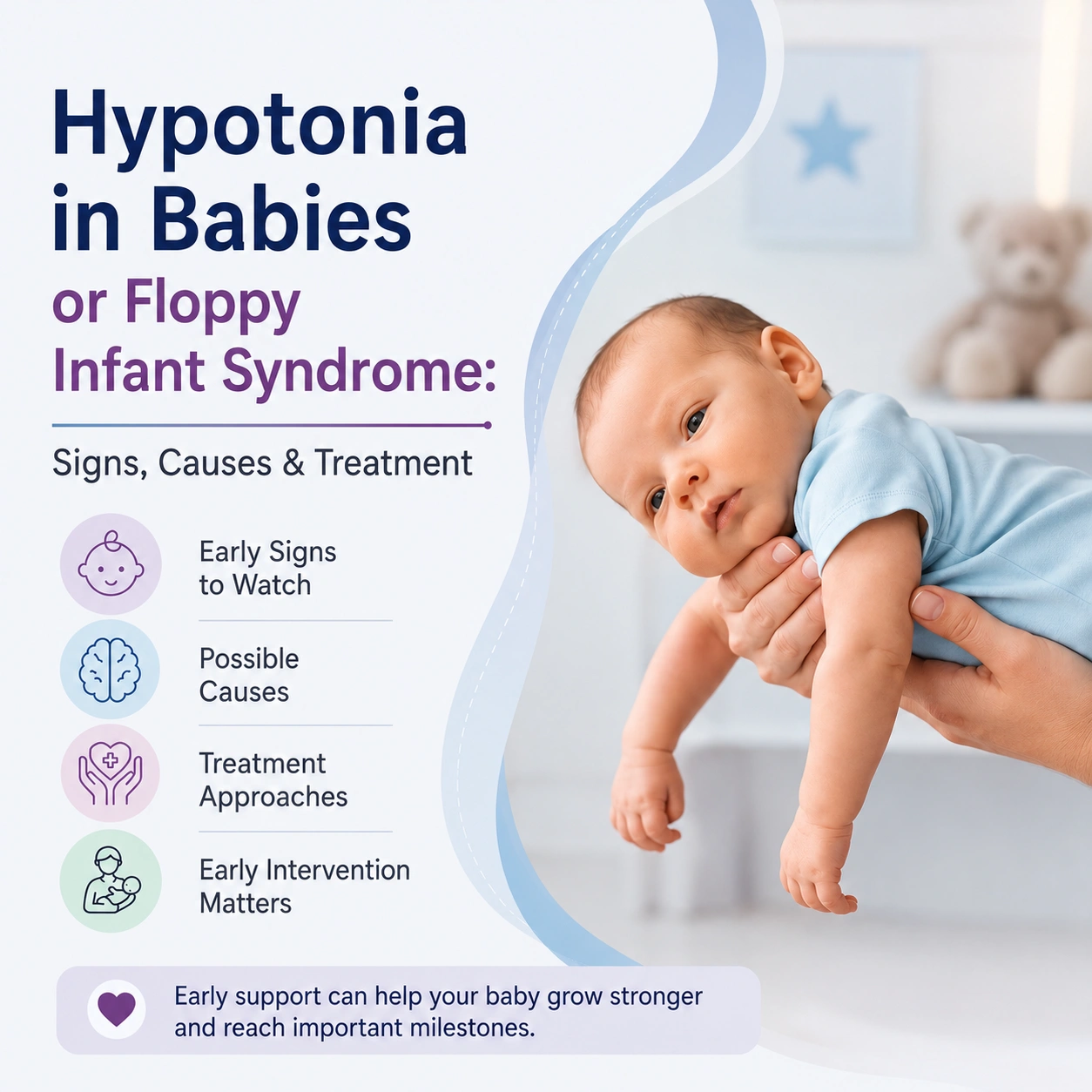
Hypotonia in Babies or Floppy Infant Syndrome: Signs, Causes & Treatment
Every baby develops at their own pace, and it is natural for parents to notice differences in how their child moves, feeds, or responds to their surroundings. Some babies may feel unusually relaxed or floppy when held, which may be linked to hypoto