


Categories
Stress During Pregnancy: Causes, Effects and How to Manage
May 08, 2026
What Causes Stress During Pregnancy?
Pregnancy itself brings a set of changes that can trigger anxiety or tension, even in women who do not typically consider themselves prone to stress.- Physical discomfort: Nausea, fatigue, back pain, and sleep disruption can all wear on a person's emotional reserves over time.
- Concerns about the baby's health: Worry about test results, foetal development, or previous pregnancy loss is common, particularly in the first trimester.
- Financial and work pressures: The cost of prenatal care, maternity leave planning, or concerns about job security can become sources of significant tension during pregnancy.
- Relationship and family dynamics: Changes in the relationship with a partner, managing expectations from family, or navigating an unsupportive environment can contribute to stress.
- Previous difficult pregnancies or loss: Women who have experienced a miscarriage, stillbirth, or difficult delivery before may carry heightened anxiety into a subsequent pregnancy.
Effects of Stress During Pregnancy
Understanding the effects of stress during pregnancy is important because it affects more than just the mother's emotional wellbeing.- For the mother: Chronic stress can disrupt sleep, weaken the immune system, and increase the risk of pregnancy complications such as hypertension. It may also contribute to postnatal depression if left unaddressed.
- For the baby: High levels of cortisol, the primary stress hormone, can cross the placenta and potentially affect foetal brain development. Some research suggests an association between prolonged stress and preterm birth or low birth weight, though the relationship is complex and influenced by many factors.
How to Manage Stress During Pregnancy
There are several practical and evidence-supported ways to manage stress during this period:- Stay informed but set limits on worry: Understanding your pregnancy is helpful, but spending hours reading about worst-case scenarios online is not. Trust your care team and ask questions during your appointments.
- Gentle physical activity: Walking, prenatal yoga, and swimming are well-supported forms of exercise during pregnancy that help reduce stress hormones and improve sleep.
- Breathing and relaxation techniques: Simple deep breathing exercises and progressive muscle relaxation can reduce the physical sensations of anxiety.
- Social support: Talking openly with a partner, trusted friend, or family member makes a real difference. Isolation during pregnancy can intensify stress.
- Professional support: If tension during pregnancy is significantly affecting daily functioning, a conversation with a counsellor or psychiatrist trained in perinatal mental health is appropriate and encouraged.
- Rest and sleep prioritisation: The body is working hard. Permitting yourself adequate rest is not indulgence; it is a health priority.
When to Speak to Your Doctor
If stress is interfering with sleep, appetite, or daily life for an extended period, it is worth discussing with your obstetrician. Pregnancy-related anxiety and depression are recognised conditions that respond well to appropriate support. Asking for help early leads to better outcomes for both mother and child.Conclusion
Stress during pregnancy is real and common, and managing it is part of taking good care of both yourself and your baby. Acknowledging tension during pregnancy rather than pushing through it alone is a sign of strength, not weakness. The obstetrics and maternity team at BirthRight by Rainbow Hospitals works alongside expectant mothers through every stage of pregnancy, providing both medical support and guidance on emotional wellbeing for a healthy pregnancy experience.Disclaimer
This content is for educational and general awareness purposes only. It does not replace professional medical or psychological advice. Please consult your obstetrician or a qualified mental health professional for personalised support during pregnancy.Related BlogView More
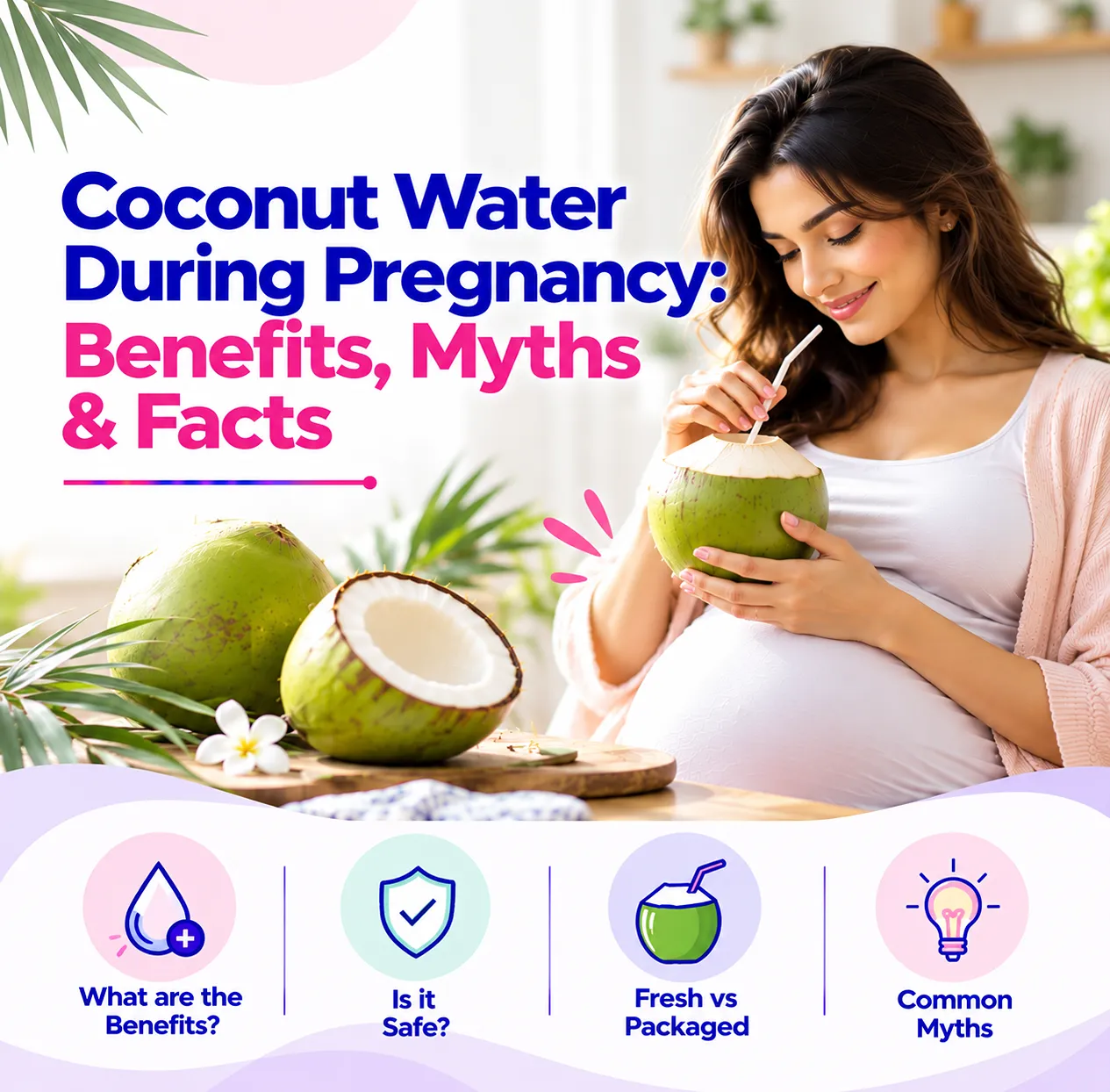
Coconut Water During Pregnancy: Benefits, Myths & Facts
Coconut water is a popular choice during pregnancy because it is light, refreshing, and naturally contains fluids and electrolytes. For most pregnant women, it can be enjoyed safely as part of a balanced diet, especially as an alternative to sugary drinks. At the same time
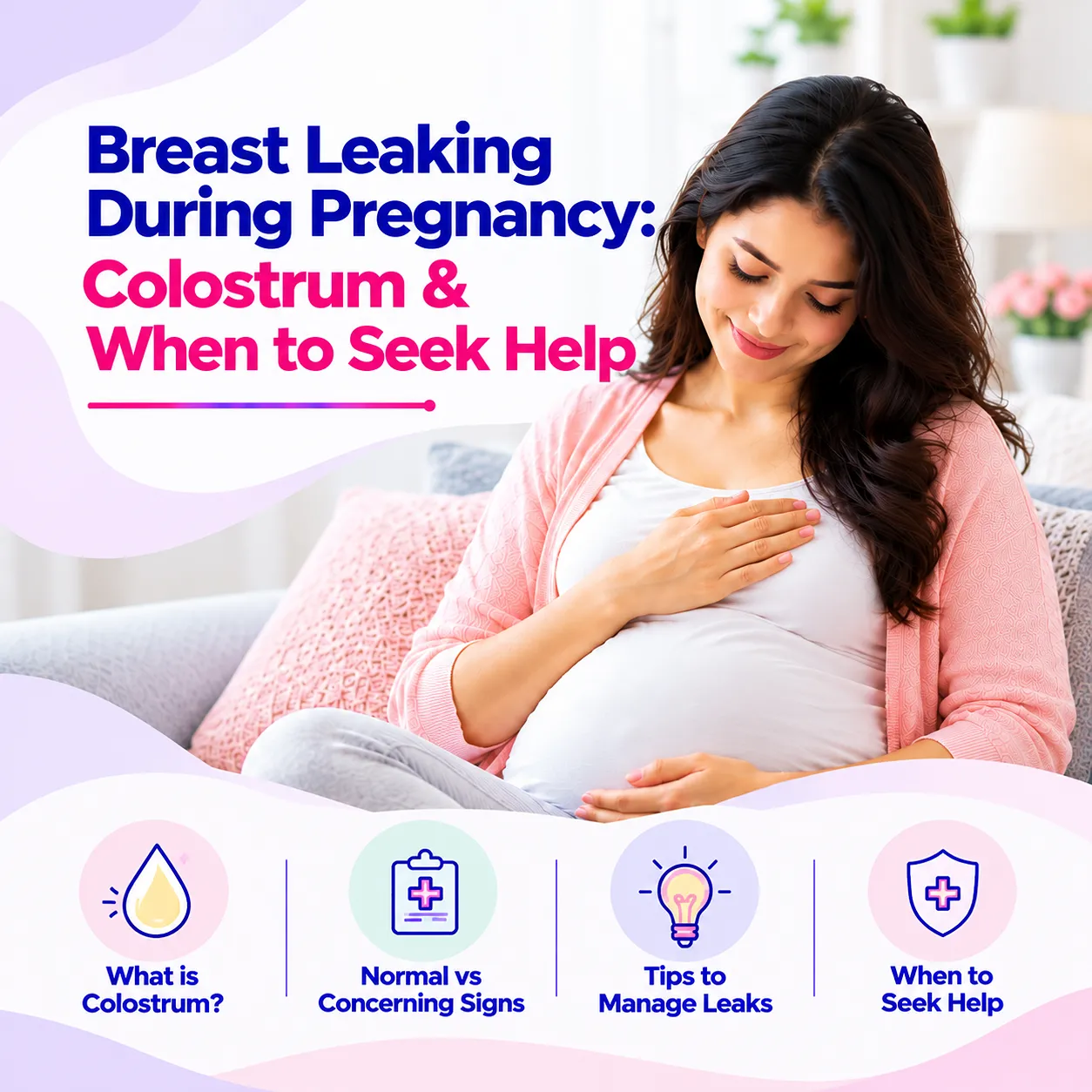
Breast Leaking During Pregnancy: Colostrum & When to Seek Help
Noticing a few drops of fluid from your breasts during pregnancy can be unexpected, especially if it happens before you have started thinking about breastfeeding. In many cases, this is simply colostrum, the nutrient-rich first milk your breasts begin preparing before your bab

10 Safe Tips & Best Foods to Increase Breast Milk Supply Naturally
Wondering whether your baby is getting enough breast milk is common, especially in the first few weeks after birth when feeding patterns are still settling. Milk supply can naturally vary, and in many cases, small changes in feeding technique, frequency, rest, hydration and nutri

How to Prevent Stretch Marks During Pregnancy: 6 Effective Tips for Moms-to-Be
As your baby grows within the womb, your body changes in remarkable ways, and your skin stretches along with it. Stretch marks are common during pregnancy, especially around the abdomen, breasts, hips, and thighs. While you can't always prevent them completely, simple steps can s