



Categories
Healthy Diet: Precision Nutrition for Longevity and Metabolic Health
May 11, 2026
What Does a Healthy Diet Actually Mean?
A healthy diet is one that provides the nutrients the body needs to function well, supports a stable weight, reduces the risk of chronic disease, and can be maintained sustainably over time. It is not defined by eliminating entire food groups or following rigid rules, but by building eating patterns that are balanced, varied, and appropriate to individual health goals. The fundamentals of a healthy diet remain consistent across most evidence-based guidance: plenty of vegetables and fruits, adequate lean protein, whole grains over refined carbohydrates, healthy fats from sources such as nuts, seeds, and oily fish, and minimised intake of added sugar, processed foods, and excess salt.Macronutrients and Their Role
- Carbohydrates: The primary fuel source for the body, particularly the brain. The quality of carbohydrates matters more than the quantity. Whole grains, legumes, vegetables, and fruits provide fibre alongside energy, while refined carbohydrates offer calories with limited nutritional benefit.
- Protein: Essential for muscle maintenance, immune function, enzyme production, and tissue repair. Adequate protein intake becomes increasingly important with age, as muscle loss accelerates after the mid-30s. Sources include lean meats, fish, eggs, dairy, legumes, and tofu.
- Fats: Dietary fat is essential for hormone production, brain function, and the absorption of fat-soluble vitamins. Unsaturated fats from olive oil, avocado, nuts, and oily fish support cardiovascular health. Saturated fat from red meat and full-fat dairy products should be consumed in moderation.
The Role of Fibre in Metabolic Health
Dietary fibre is one of the most underconsumed and underappreciated nutrients in modern diets. It slows glucose absorption, which helps stabilise blood sugar after meals, feeds the beneficial bacteria in the gut, supports regular bowel function, and reduces cholesterol. A healthy diet that is rich in vegetables, legumes, whole grains, and fruit naturally provides adequate fibre. For individuals managing blood sugar, weight, or digestive health, increasing fibre intake is one of the most impactful changes that can be made.Nutrition Across Different Life Stages
Nutritional needs change significantly across the lifespan, and a healthy diet should reflect this:- Children And Adolescents: Growth demands higher intakes of calcium, iron, and protein relative to body weight. A varied diet with plenty of whole foods and minimal processed food supports both physical growth and cognitive development.
- Pregnancy: Requirements for folate, iron, iodine, and vitamin D increase. Caloric needs rise modestly, but nutrient density matters more than total quantity.
- Middle Age: Metabolic rate typically slows. Maintaining muscle through adequate protein and resistance exercise becomes increasingly important.
- Older Adults: Appetite often decreases while nutrient needs remain high. Protein, calcium, vitamin D, and B12 all deserve particular attention in this group.
Practical Steps for Building a Healthier Diet
- Fill half the plate with non-starchy vegetables at most meals
- Choose whole grain versions of bread, rice, and pasta where possible
- Include a source of protein at every meal to support satiety and muscle health
- Eat oily fish such as salmon or mackerel at least twice a week for omega-3 fatty acids
- Limit ultra-processed foods, which are high in additives, refined carbohydrates, and unhealthy fats
- Stay well hydrated with water as the primary drink, limiting sugary beverages
Conclusion
A healthy diet is not a temporary intervention but a long-term investment in energy, weight, metabolic health, and longevity. The evidence increasingly points to dietary patterns, not individual superfoods or single nutrients, as the key to lasting health. For parents building eating habits in their children, adults managing a chronic condition, or anyone looking to optimize the long-term health of their kids, the pediatric nutritionist team at Rainbow Children’s Hospitals offers personalised dietary guidance grounded in current science and sensitive to individual health needs.Disclaimer
This content is for general educational and informational purposes only. It does not substitute professional dietary or medical advice. Please consult a qualified nutritionist or doctor for personalised dietary guidance.Related BlogView More

Genetic Risk of Cancer in Kids: How Family History Affects Cancer Risk
When cancer has affected a close family member, it is natural for parents to wonder what it could mean for their child’s future health. While most childhood cancers develop without a hereditary cause, some are linked to inherited genetic changes that can increase the like
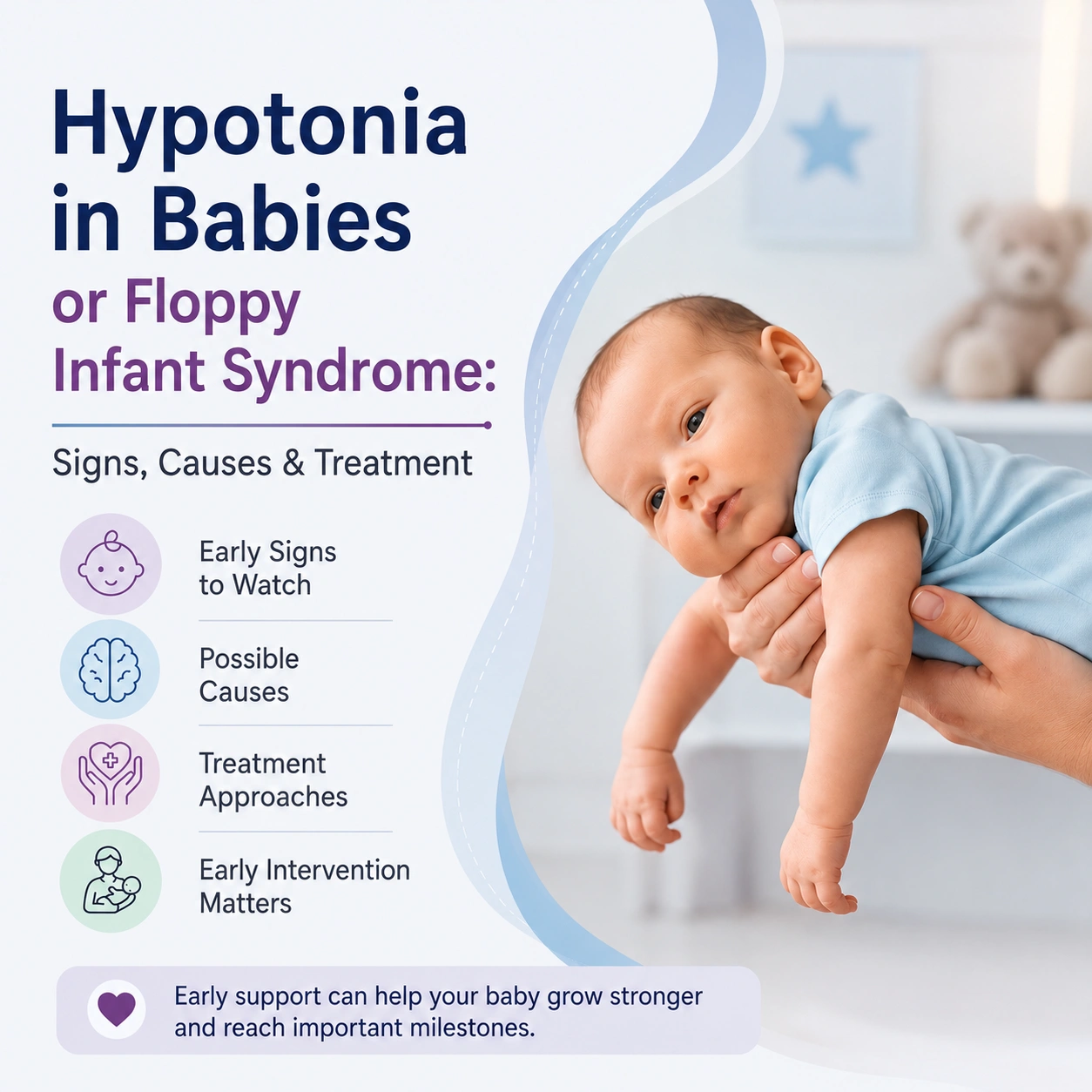
Hypotonia in Babies or Floppy Infant Syndrome: Signs, Causes & Treatment
Every baby develops at their own pace, and it is natural for parents to notice differences in how their child moves, feeds, or responds to their surroundings. Some babies may feel unusually relaxed or floppy when held, which may be linked to hypotonia

Paediatric ENT Care: Why Kids Need Specialised ENT Treatment
Ear, nose, and throat concerns are common in childhood. Whether it's recurring ear infections, constant nasal congestion, loud snoring, or hearing difficulties, these issues can affect a child's comfort, sleep, communication, and everyday activities. Sin

Is It a Summer Cold or Allergies? A Parent's Guide to Kids' Warm-Weather Congestion
A runny nose, sneezing, or a blocked nose during summer can leave many parents wondering what's causing their child's discomfort. Is it a summer cold, or could it be seasonal allergies? Since the symptoms often look similar, knowing the difference can help you choose the right ca