



Categories
Can Vaccinated Children Get Measles? Symptoms, Risk Factors and When to Test
Aug 03, 2026
What is Measles?
Measles in children is a highly contagious viral infection caused by the measles virus. It spreads through droplets from coughs, sneezes, or close contact with infected surfaces. In the pre-vaccine era, nearly every child caught measles, and it remains a serious cause of childhood illness in areas with lower vaccination rates. India has made significant progress, but outbreaks still occur when community vaccination drops.How Effective is the MMR Vaccine?
The MMR vaccine is highly effective. A single dose provides about 93 per cent protection against measles, and two doses provide about 97 per cent protection. This means about 3 out of every 100 fully vaccinated people remain at risk. It sounds small, but with a highly contagious virus like measles, this small percentage matters, particularly during outbreaks or in high-exposure situations.Can Vaccinated Children Still Get Measles?
Yes, but it is uncommon. When vaccinated children do catch measles (called a breakthrough infection), the illness is typically milder than in unvaccinated children. Symptoms may be less severe, the rash less extensive, and complications less likely. However, vaccinated children with breakthrough measles can still spread the virus, which is why quick recognition and isolation are essential.Symptoms of Measles in Children
The classic symptoms of measles in children appear 10 to 14 days after exposure:- High fever, often above 39°C, which persists for 4 to 7 days
- Runny nose, cough, and red watery eyes
- Small white spots inside the mouth (Koplik spots), a classic early sign
- A red, blotchy rash starting on the face and spreading downwards
- Extreme tiredness and reduced appetite
- Sensitivity to light
Risk Factors for Vaccine Breakthrough
Some children are at higher risk of catching measles despite being vaccinated:- Only one dose of MMR received instead of two
- A weakened immune system due to illness or medication
- Prolonged, close exposure to a highly infectious case
- International travel to areas with active outbreaks
- Younger age (first dose is typically given at 9 months in India)
When to Test for Measles?
A child should be tested for measles if:- There is known exposure to a confirmed measles case
- Symptoms suggest measles even in a vaccinated child
- A rash appears alongside high fever, cough, or conjunctivitis
- The child recently travelled to an outbreak area
What to Do If Your Child is Exposed
If your child has been exposed to measles, contact your pediatrician immediately. Depending on age, vaccination status, and time since exposure, options may include an additional MMR dose, immunoglobulin therapy, or careful monitoring. Isolation from other children and vulnerable adults is important until measles has been ruled out or the infectious period has passed.Conclusion
While the MMR vaccine offers excellent protection, no vaccine is 100 per cent effective. Being aware of symptoms of measles in children, understanding breakthrough risks, and seeking prompt testing when needed protects both your child and the wider community. For expert pediatric care, vaccination guidance, and rapid evaluation of suspected measles cases, Rainbow Children's Hospital provides experienced pediatricians and diagnostic support for children of all ages.Medical Disclaimer
This content is for general informational purposes only and is not a substitute for professional medical advice, diagnosis, or treatment. Always consult a qualified healthcare professional regarding your specific health concerns.Frequently asked questions
How effective is the MMR vaccine against measles?
What are the early symptoms of measles in children?
When should my child receive the MMR vaccine?
How is measles diagnosed in vaccinated children?
Can a child spread measles even if vaccinated?
Related BlogView More
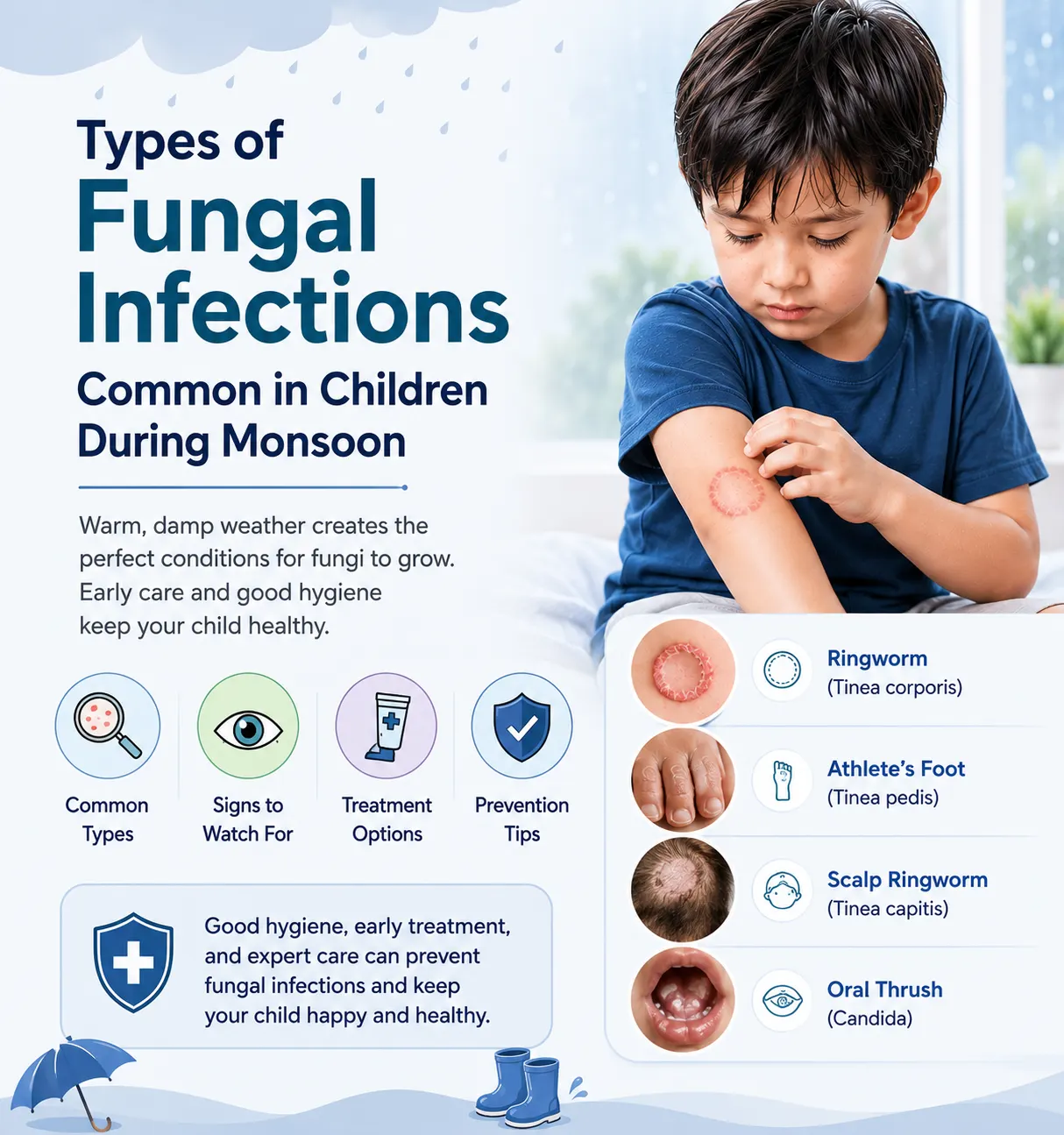
Types of Fungal Infections Common in Children During Monsoon
The monsoon brings welcome relief from the heat, but it also creates ideal conditions for fungal infections to thrive. Warm, damp weather combined with children's habit of playing outdoors and staying in wet clothes makes fungal infections in children a common concern ea
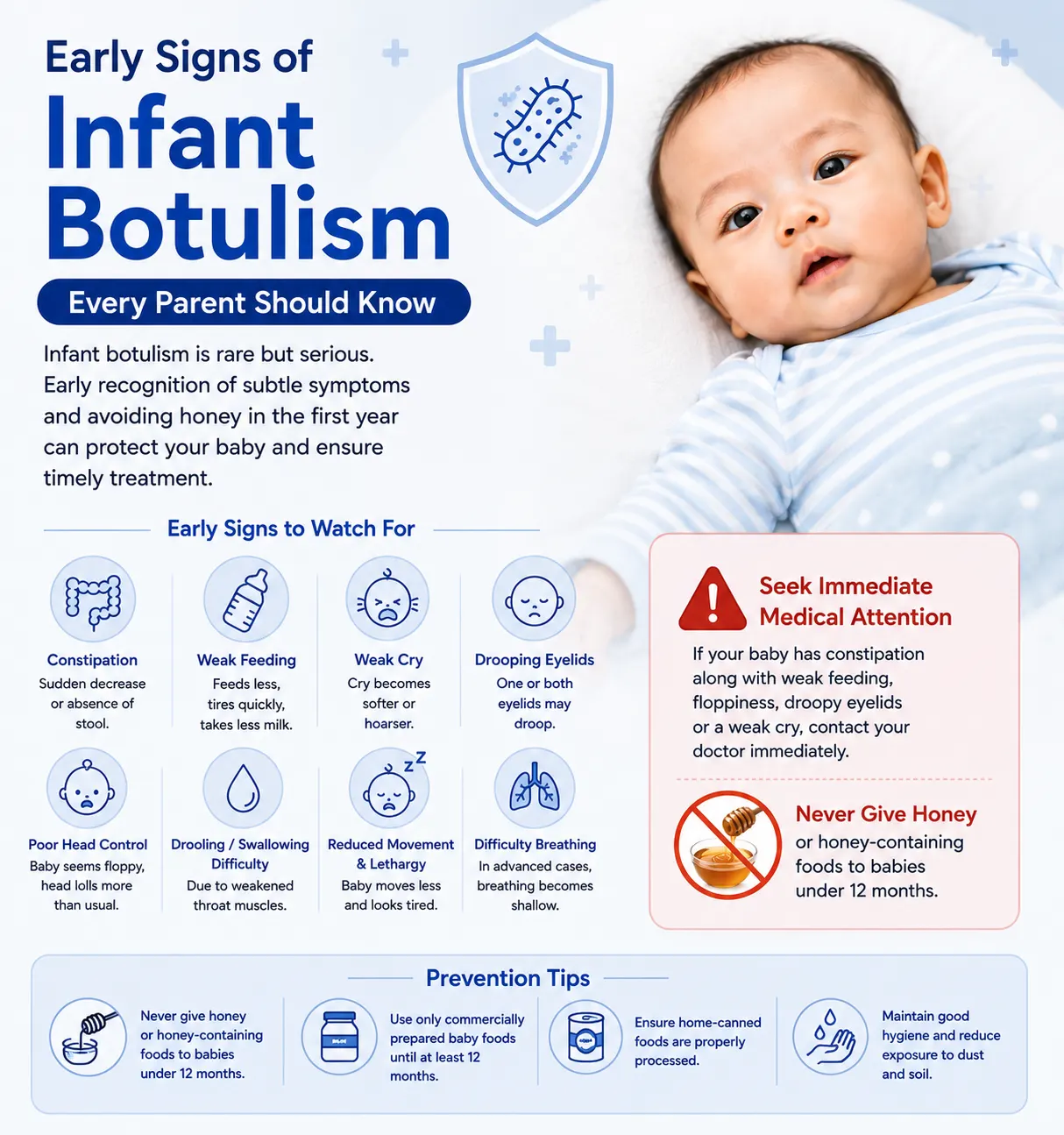
Early Signs of Infant Botulism Every Parent Should Know
Infant botulism is a rare but serious condition that every parent of a young baby should know about. Early infant botulism symptoms are often subtle and develop gradually, making them easy to miss until the illness becomes more advanced. Understanding what infant botulism is,
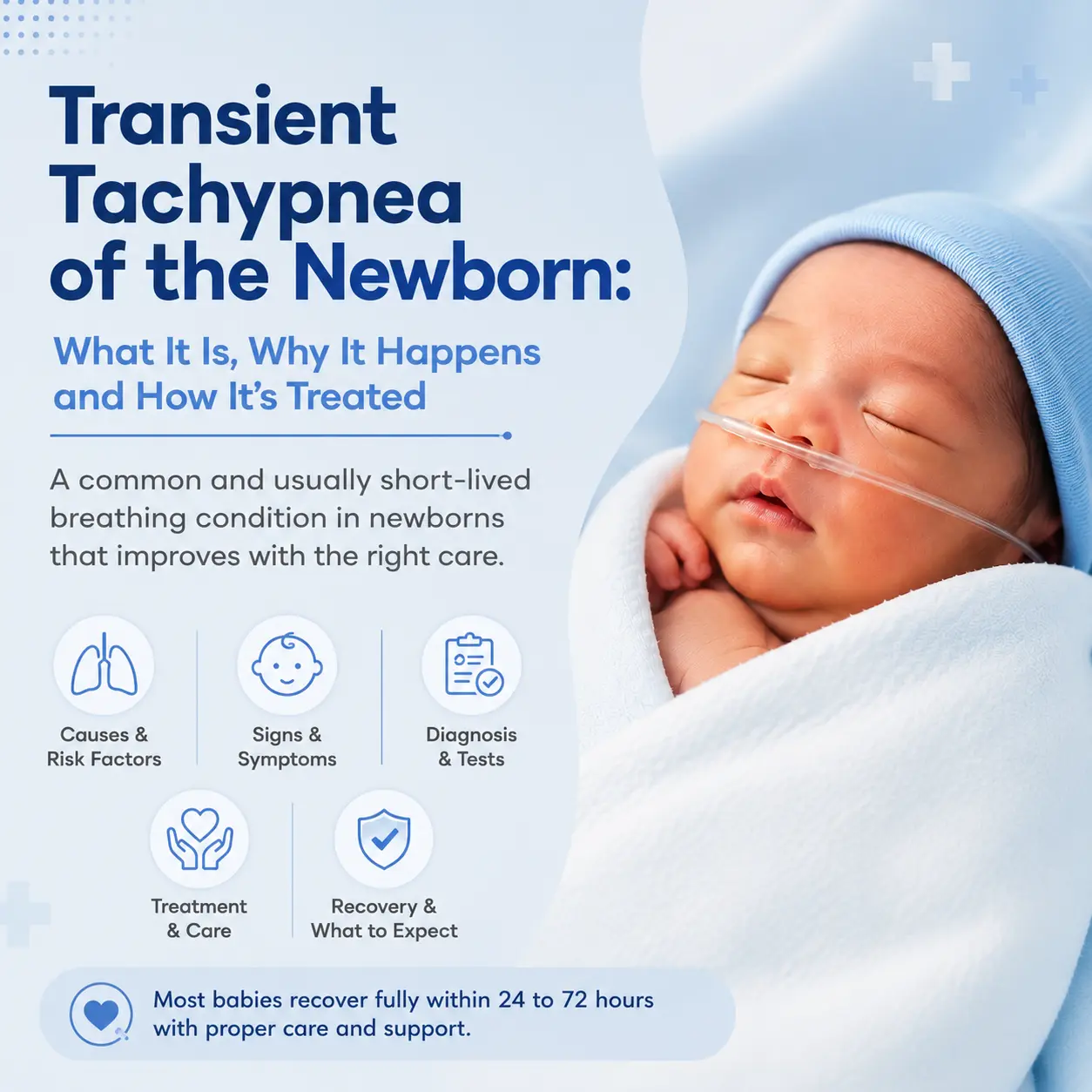
Transient Tachypnea of the Newborn: What It Is, Why It Happens and How It's Treated
Many newborns arrive breathing easily from their very first breath. But some babies show signs of rapid breathing in the hours after birth, and one of the most common causes is transient tachypnea of the newborn (TTN). It sounds worrying, but in most cases, it is a short-lived
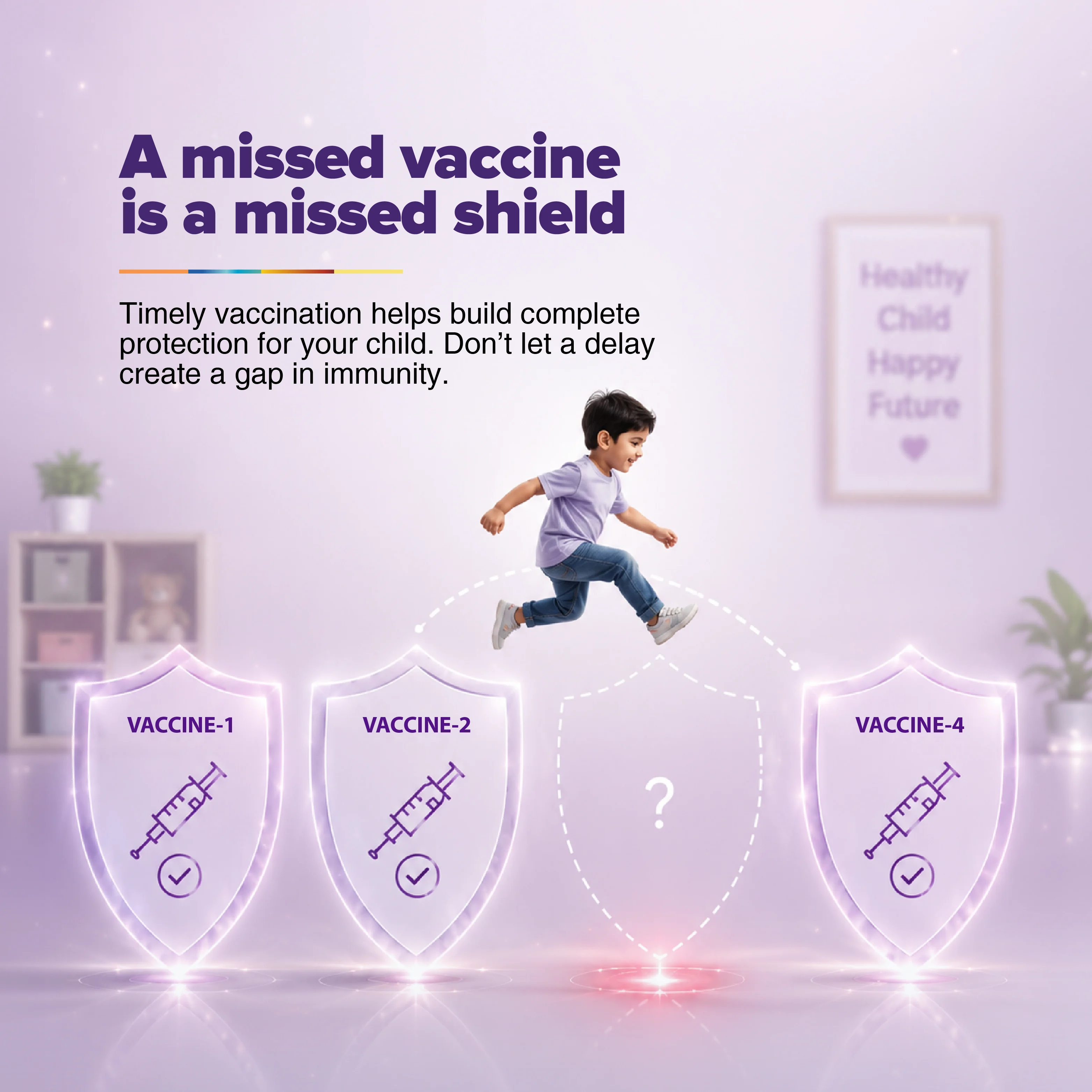
The Role of Scheduled Vaccination in Preventing Serious Diseases
Importance of Scheduled Vaccinations As parents, keeping children healthy and protected is always a top priority. While good nutrition, hygiene, and regular health check-ups play an important role in overall well-being, scheduled vaccination remains on