



Categories
Can a Varicocele Impact Your Fertility? Signs, Symptoms & Causes
Aug 25, 2026
Key Takeaway
- Varicoceles are found in about 35–40% of men presenting with infertility, but not every man with one is infertile.
- Selected clinical varicoceles can be treated with surgery or embolisation.
- Fertility decisions depend on semen results, symptoms and both partners’ reproductive health.
Table of Contents
- What Is a Varicocele?
- Can a Varicocele Cause Infertility?
- Varicocele Effect on Sperm
- Signs & Symptoms of Varicocele
- What Causes a Varicocele?
- Can You Get Pregnant Naturally After a Varicocele Surgery?
- Can a Varicocele Be Cured?
- When Should You See a Fertility Specialist?
- Conclusion
- FAQs
What Is a Varicocele?
A varicocele is an abnormal enlargement of veins in the scrotum, mainly within the pampiniform plexus that drains blood from the testicle. It develops when blood refluxes and pools in these veins. Varicoceles are usually left-sided, may be painless, and are sometimes discovered only during a physical examination or fertility assessment.Can a Varicocele Cause Infertility?
Yes, a varicocele can contribute to male infertility, but its presence does not automatically mean conception will be difficult. Higher scrotal temperature, hypoxia, and oxidative stress may interfere with sperm production and DNA integrity. Varicoceles are found in about 35–40% of men presenting with infertility, rather than causing 40% of all male infertility. Many men with a varicocele still conceive naturally, so semen analysis, varicocele grade and the couple's complete fertility assessment matter.Varicocele Effect on Sperm
The varicocele effect on sperm can involve lower sperm concentration, reduced motility and a higher proportion of abnormal forms. Heat stress and oxidative damage may also increase sperm DNA fragmentation. The degree of change varies, and some men retain normal semen parameters. This is why a semen analysis is more informative for fertility planning than the presence of a varicocele alone.Signs & Symptoms of Varicocele
A varicocele may cause no noticeable symptoms. When symptoms occur, they can include:- Scrotal swelling or enlarged veins
- A “bag of worms” feeling above the testicle
- A dull, dragging ache that worsens after standing or later in the day
- Pain that improves when lying down
- One testicle appearing smaller than the other
- Difficulty conceiving despite otherwise subtle or absent symptoms
What Causes a Varicocele?
Varicoceles develop because blood does not drain normally through the testicular veins. Factors include:- Faulty or ineffective vein valves that allow backward blood flow
- Increased pressure within the testicular venous system
- Changes that become apparent during puberty as testicular blood flow increases
- Individual venous anatomy, which helps explain why varicoceles occur more often on the left side
Can You Get Pregnant Naturally After a Varicocele Surgery?
For couples asking, “can you get pregnant with varicocele?”, the answer is often yes. Natural conception can occur with an untreated varicocele and may also occur after successful repair. If semen abnormalities remain significant, a fertility specialist may discuss IUI, IVF, or ICSI. When comparing the best IVF treatment in India, both partners’ fertility results should guide the choice.Can a Varicocele Be Cured?
If you are wondering whether a varicocele can be cured, it can often be treated successfully, although no procedure guarantees permanent resolution and recurrence is possible. Treatment depends on symptoms, fertility goals, semen findings, and whether the varicocele is clinically significant.| Option | Outcome/note |
| Watchful waiting | Suitable when symptoms are mild and semen parameters are satisfactory; regular review may be advised. |
| Varicocelectomy/surgery | A urologist or andrologist closes the affected veins to redirect blood flow; considered for selected infertile men with a palpable varicocele and abnormal semen parameters. |
| Embolisation | An interventional radiologist blocks the abnormal vein through a catheter; it is a minimally invasive treatment option, with suitability depending on individual anatomy and clinical circumstances. |
When Should You See a Fertility Specialist?
See a fertility specialist if pregnancy has not occurred after 12 months of regular unprotected intercourse, or after six months when the female partner is 35 or older. Seek assessment sooner for a palpable varicocele, testicular-size difference, persistent pain or abnormal semen analysis. Depending on the findings, care may involve a fertility specialist, urologist or andrologist, embryologist and, when embolisation is considered, an interventional radiologist. Birthright Fertility by Rainbow Hospital can support fertility assessment where male-factor concerns are part of the couple’s evaluation.Conclusion
A varicocele is common and treatable, and it does not guarantee infertility. The most useful next step is to assess symptoms and semen parameters in the context of the couple’s fertility. A fertility specialist can personalise whether monitoring, repair or assisted reproduction is appropriate.Medical Disclaimer :This article is for general education only and does not replace personalised diagnosis or treatment from a qualified healthcare professional
Frequently asked questions
Is varicocele a cause of infertility?
Yes. It can impair sperm production and quality, although many affected men remain fertile.
Can a varicocele be cured?
Often, yes. Surgery or embolisation can treat it, although recurrence is possible.
Does a varicocele affect sperm quality?
Can you get pregnant with a varicocele?
What are the signs of a varicocele?
When should I see a doctor for a varicocele?
Is varicocele 100% curable?
Related BlogView More

Fertile Window & Ovulation: How to Calculate Your Most Fertile Days
If you're trying to conceive, spacing your pregnancies, or simply trying to understand your body better, two terms come up again and again: fertile window and ovulation. They're related, but they're not the same thing — and mixing them up is one of the most common reasons
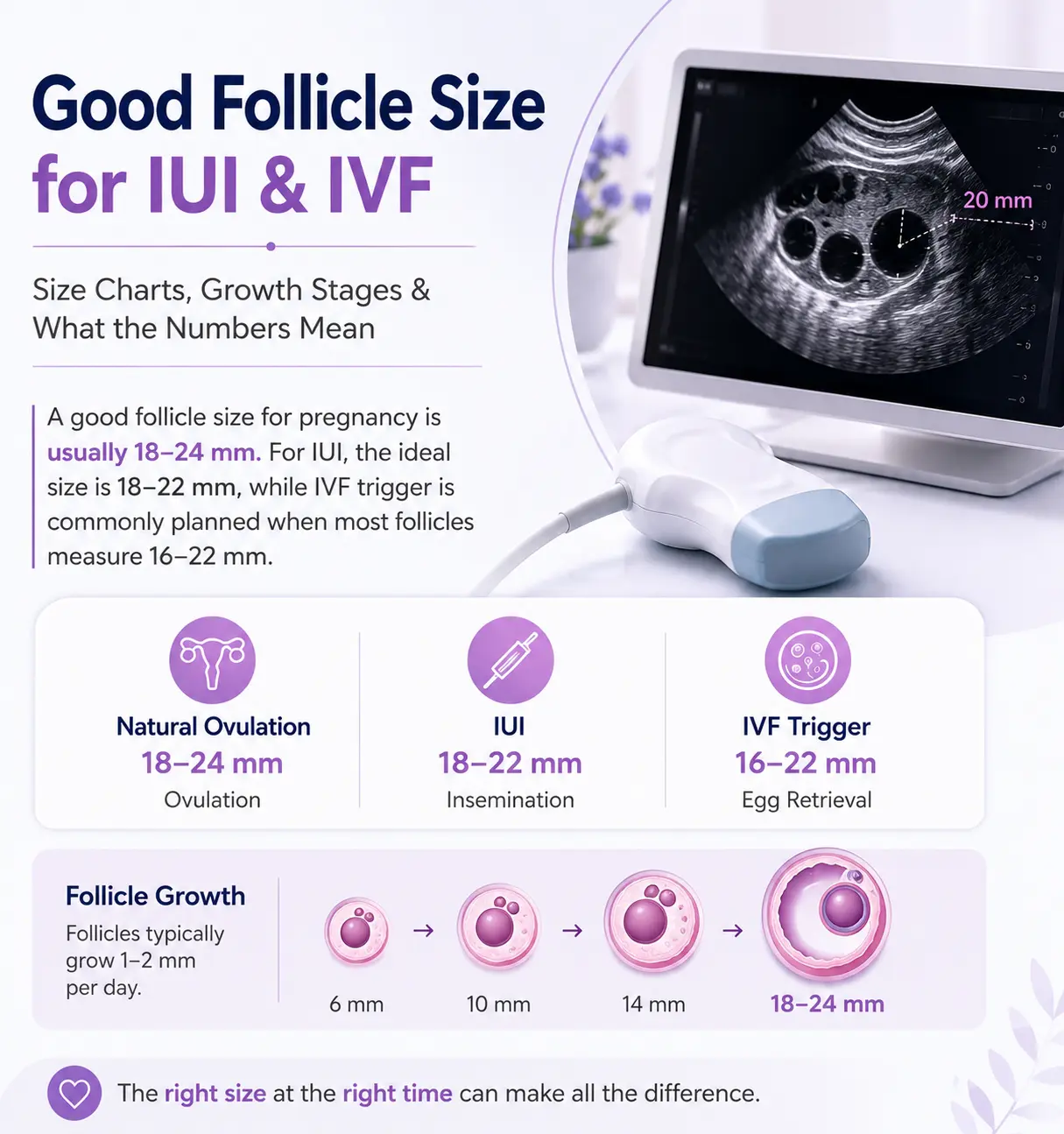
Good Follicle Size for IUI & IVF: Size Charts, Growth Stages & What the Numbers Mean
If you're trying to conceive naturally or undergoing IUI or IVF, you've likely wondered whether your follicle size is ideal. Follicle size isn't just a number on an ultrasound or on your report—it is one of the most trusted indicators fertility specialists use to as
Fertility Supplements: A Complete Guide to Boosting Reproductive Health
Trying to conceive is often an emotional journey filled with hope, anticipation, and sometimes unexpected challenges. Many couples begin with lifestyle changes and healthy eating, while others require medical treatments such as ovulation induction, IUI, or IVF. Alongs
Can Poor Sleep Affect Fertility? Sleep, Hormones & Conception Explained
Sleep is a fundamental pillar of good health. It gives the body and mind time to repair, restore energy, regulate hormones, and maintain the normal functioning of cells, tissues, and organs, supporting overall physical and mental well-being. Sleep also plays a vital rol