


Categories
Tea in Pregnancy: Is it safe Tea in Pregnancy? Your Guide to Safe Sips
Sep 11, 2025
This guide shows how to keep tea in your routine safely during pregnancy, why it’s worth discussing with your clinician, and how to turn each cup into a short breathing practice that eases stress. You can usually keep tea in pregnancy with simple rules. Keep total caffeine under 200 mg/day. Choose smaller, shorter-brewed cups of black or green tea, and shift to naturally caffeine-free options (ginger, rooibos) later in the day. Avoid licorice-root and “detox” herbal mixes. Sip tea at least two hours away from your iron tablet. Pair each cup with three minutes of slow breathing. This keeps drinking tea during pregnancy safe and genuinely relaxing. Below are the reasons to talk about tea, safe amounts, a day plan, and a 3-minute meditation you can do while the kettle cools.
Why Talk About Tea in Pregnancy with your Doctor?
Tea isn’t a snack you quit for nine months-it’s a habit, a social cue, and often comfort. That’s exactly why it deserves a quick conversation in early antenatal visits. You and your gynecologist can map how many cups you truly have, what strength, and how to space tea around iron, sleep, nausea, and reflux. A short talk now prevents months of “Is this okay?” later.One ritual, two benefits: Warm Tea + Quiet Breathing
Keep tea, and add a tiny breathing practice to the same moment. Warm fluid settles the stomach; slow breathing tells the nervous system to stand down. Doing both together unifies drinking tea during pregnancy with simple meditation for pregnancy you can actually keep.What makes Tea in Pregnancy "safe" (Guidelines and Limits)
Safety rests on caffeine and what’s in the blend.- Daily ceiling: keep total caffeine ≤200 mg from all sources. A 150-200 ml cup: black tea ~30–50 mg; green ~20-45 mg; masala chai counts like black tea.
- Brew & portion: shorter steeps and smaller cups mean less caffeine; long steeps extract more.
- Evening swaps: ginger, lemon, rooibos, barley/rice teas are naturally caffeine-free and kinder to sleep.
- Skip list: licorice-root blends (can raise BP), “detox/fat-burn” mixes, and unlabeled herbal packets.
A Recommended Daily Plan for Tea in Pregnancy
Timing protects iron, sleep, and digestion.- Morning: One small black/green tea with breakfast-protein blunts the caffeine jolt.
- Midday: A second small tea, or ginger tea if nausea flares.
- Evening: Move to caffeine-free options to prevent reflux and night waking.
- Iron rule: Keep a 2-hour gap between tea and your iron tablet or iron-rich meals-tannins can reduce iron absorption.
Herbs That Help vs. Herbs to Limit
- Usually fine in food-like amounts: Ginger, lemon, mint/peppermint, chamomile, rooibos. Start mild; notice how you feel.
- Use caution/avoid: Licorice-root, ginseng, dong quai, or any “period-regulating/cleansing” blends. If a new tea causes palpitations, jitters, or cramps, stop and switch.
A 3-minute Tea Meditation You Can Do Anywhere
- Sit with feet flat; hold the cup.
- Inhale for 4 counts, belly rising.
- Pause for 2 (optional).
- Exhale for 6 counts, like a soft sigh.
- Repeat six cycles. If thoughts wander, return to counting.
Troubleshooting Common Pregnancy Issues
- Reflux: Brew weaker, avoid mint late, leave a 2-3 hour gap before lying down.
- Nausea: Go cooler and milder (iced ginger/lemon), use micro-sips.
- Gestational diabetes: Choose unsweetened or lightly sweetened; add milk/protein first, then walk 10 minutes after meals.
- Hydration: Tea counts toward fluids, but water stays your base; aim for steady sips through the day.
Bring Tea Into Your Next Antenatal Visit
Because tea is daily and social, tell your clinician your real pattern: cup size, brew time, sugar, milk, and timing. Ask how to space tea with iron, sleep, and any blood-pressure or glucose goals. If family routines revolve around tea, involve them in the plan so you aren’t pressured to over-pour “just this once.”Conclusion:
You don’t need to abandon tea to have a healthy pregnancy. Set a ≤200 mg/day caffeine ceiling, brew smaller/shorter cups, avoid risky herbal blends, and keep a 2-hour gap from iron. Fold in a three-minute breathing practice so the same ritual lowers stress. That’s how to keep drinking tea during pregnancy safe and meaningful while using brief meditation for pregnancy to calm your day. For a plan tuned to your sleep, iron levels, and symptoms, talk to your gynecologist or meet the antenatal team at BirthRight by Rainbow Hospitals.Disclaimer:
The information provided in this blog is for general informational purposes only and should not be considered a substitute for professional medical advice, diagnosis, or treatment. Always seek the guidance of a qualified healthcare provider with any questions you may have regarding a medical condition, symptoms, or treatment options. Never disregard professional medical advice or delay seeking it because of something you have read here.FAQs
Can I Still Have My Morning Masala Chai During Pregnancy? How Much Is Okay?
Yes-usually 1-2 small cups (150-200 ml) a day are fine if you brew them milder and keep your total caffeine under 200 mg/day. Masala chai counts like black tea, roughly 30–50 mg caffeine per small cup depending on strength. If you want an extra cup later, make it weaker or switch to a naturally caffeine-free option like ginger or rooibos.Is Green Tea Safer Than Black Tea In Pregnancy?
Not especially-both sit in a similar caffeine range (black ~30–50 mg; green ~20–45 mg per 150–200 ml cup). The safer choice is about how much and how strong you brew, not just the color. If you’re nearing the 200 mg limit, move to caffeine-free choices later in the day.How Should I Time Tea Around My Iron Tablet And Iron-Rich Meals?
Keep a 2-hour gap between tea and your iron tablet or iron-rich meals because tannins can reduce iron absorption. A practical routine: have a small tea with breakfast, take iron mid-morning or mid-afternoon, and shift to caffeine-free teas in the evening.Which Herbal Teas Are Okay, And Which Should I Avoid?
Generally fine in food-like amounts: ginger, lemon, mint/peppermint, chamomile, rooibos. Avoid/caution: licorice-root blends (can raise blood pressure), ginseng, dong quai, “detox/fat-burn” mixes, and unlabeled herbal packets. If a new tea gives you palpitations, jitters, or cramps, stop and switch.Related BlogView More

Diabetes in Pregnancy: Symptoms, Tests, Risks & Management
Pregnancy is a time of new beginnings, cherished milestones, and dreams for the future. However, a diagnosis of diabetes in pregnancy is part of this journey, it can raise concerns about the health and well-being of both mother and baby. D

Asthma and Pregnancy: Protecting Two Lives with the Right Care
Pregnancy brings significant physical and hormonal changes, including changes in the respiratory system. For women living with asthma, these changes may affect breathing patterns and raise concerns about symptom management, medication use, and the baby's w
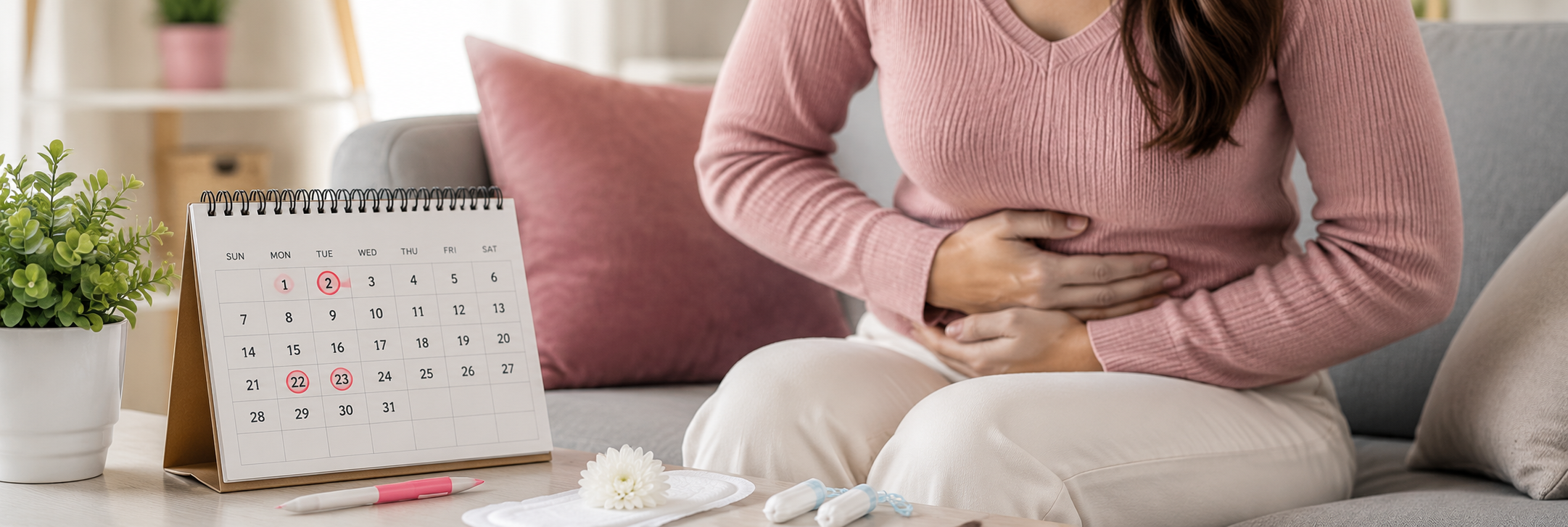
What Causes a Woman to Have Periods Twice a Month?
Many women feel concerned when they notice bleeding more than once a month. It can raise questions about whether the change is normal or requires medical attention. In many cases, occasional menstrual irregularities may happen due to stress, hormonal changes, lifestyle habits,
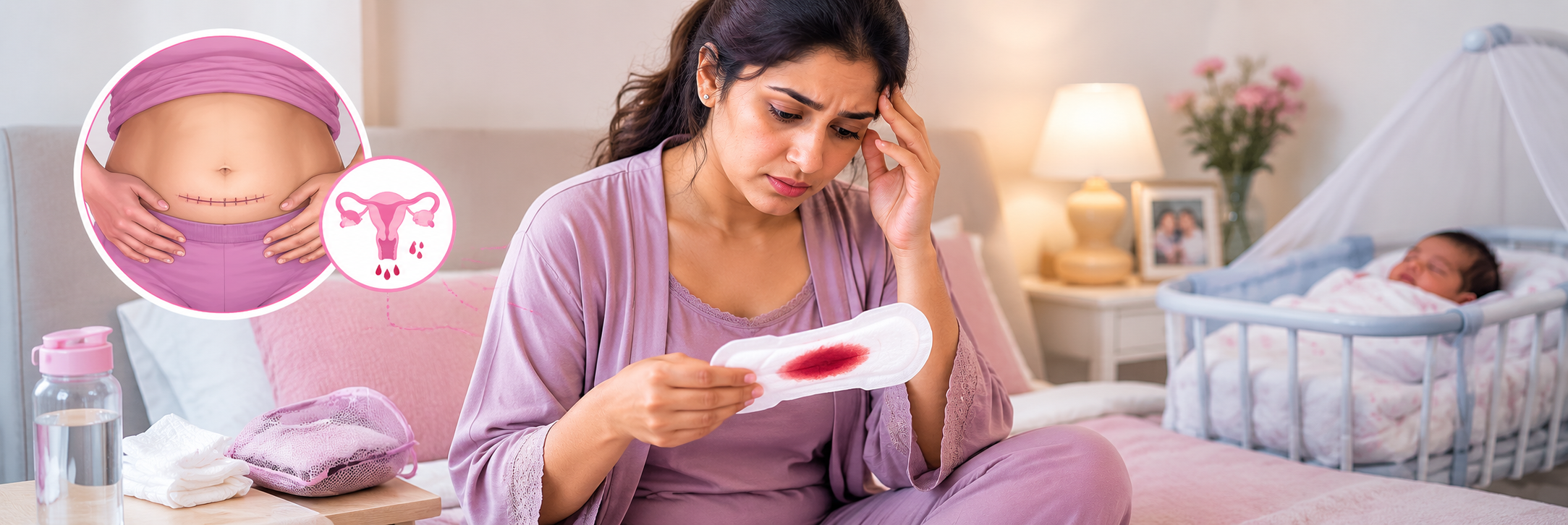
Vaginal Bleeding After C-Section Delivery: What's Normal and What's Not
Recovering after childbirth takes time, and many women may feel concerned about the physical changes that continue to take place after delivery. One common experience is bleeding after a C-sectionor cesarean section, which takes place as the uterus heals after pregnancy. The blee