


Categories
Pregnancy Cravings Explained: Why They Happen and How to Manage Them Without Guilt
Sep 09, 2025
This guide shows what cravings are really telling you, when to enjoy them, and how to keep energy and digestion steady while you do.
Cravings in pregnancy are common because hormones change how you smell, taste, and feel hunger. Nausea eases at certain hours, blood sugar dips faster, and your brain links quick comfort with quick calories. The fix isn’t to fight every urge. Plan steady meals, pair treats with protein or fiber, watch portions, and flag anything unusual like craving non-foods. When symptoms or health conditions add limits, adjust the plan, not your joy in eating.
Below are the reasons, the “when to worry,” and a simple food routine—each tip followed by the plain logic that makes it work.
What cravings signal (and why timing feels so specific)
Cravings rise when heightened senses meet uneven hunger.
· Smells and tastes feel stronger → familiar foods can suddenly repel, while a few “safe” foods feel essential.
Why this matters: stronger signals from
nose/tongue push quick decisions; narrowing choices lowers stress.
· Long gaps between meals drop energy → fast carbs look like the fastest fix.
Why this matters: low glucose nudges
the brain toward sugary or starchy foods for quick relief.
· Nausea often eases at set times → your brain remembers “I could eat then” and steers you to easy comfort.
Why this matters: the body learns safety windows; planning food for those windows reduces queasiness and over-ordering.
Typical vs. not-so-typical: a quick check before you act
· Normal: sudden preferences (sour, cold, crunchy), evening appetite, short-lived “must-haves.”
Why this is okay: these patterns map to daily nausea cycles and changing taste, not disease.
· Call your clinician: craving non-foods (clay, ice, starch), ongoing food aversion with weight loss, fluids not staying down, or severe heartburn.
Why this matters: pica can signal iron deficiency; persistent vomiting or pain risks dehydration and under-nutrition.
Say “yes” the smart way (pair, portion, pace) — and why it works
· Pair it with protein or fiber (chocolate + nuts; pickle + paneer/tofu; fries + dal).
Why: protein and fiber slow stomach emptying, flatten the glucose spike, and keep you full longer—so one treat doesn’t trigger a binge.
· Portion it (single-serve, plate it, sit, finish).
Why: a visible end point lets your brain register “done,” preventing mindless refills.
· Pace it (3 meals + 2 small snacks).
Why: shorter gaps prevent deep dips in glucose, shrinking the “must-eat-now” impulse.
· Temperature/texture tweaks (cool/soft when reflux; cold options when smells overwhelm).
Why: cooler foods smell less and irritate less, so you can eat without nausea or heartburn.
A steady day that tames swings — with the logic built in
· Breakfast within an hour of waking (add eggs/paneer/beans + fruit).
Why: early protein stabilizes morning glucose and reduces mid-morning sugar hunts.
· Snack every 2–3 hours (banana + peanut butter; roasted chana; yogurt).
Why: small, balanced snacks hold energy and curb the afternoon crash.
· Plate pattern at lunch/dinner (½ veg, ¼ protein, ¼ whole grain).
Why: this balance fills the stomach, feeds the gut, and keeps blood sugar even.
· Hydrate in sips, all day.
Why: mild dehydration mimics hunger; sipping keeps you from mistaking thirst for cravings.
If you have nausea, reflux, or gestational diabetes — and why these swaps help
· Nausea: cold foods, ginger/lemon, micro-meals.
Why: cold reduces smell intensity; ginger may calm stomach signals; tiny portions avoid stretch-induced nausea.
· Reflux: smaller meals, no lying down within 2–3 hours, baked/grilled over fried, low-acid fruits.
Why: less stomach volume and fat reduces reflux pressure; staying upright uses gravity to your advantage.
· Gestational diabetes: eat protein first, then a small portion of the craved food; 10–15 min walk after meals.
Why: protein blunts glucose rise; walking moves glucose into muscles without extra insulin.
Make the environment do half the work — because context beats willpower
· Keep prepped fruit, veg, yogurt, nuts at eye level; stash intense snacks out of sight in single portions.
Why: we eat what we see and can grab; friction (scissors, distance) lowers mindless snacking.
· Write two lines on the fridge (next snack + dinner idea).
Why: a pre-decided option shrinks decision fatigue, so cravings don’t fill the gap.
Conclusion:
Cravings follow a simple chain: stronger senses, uneven hunger, learned comfort. When you steady the timing, balance the plate, and shape the environment, urges lose urgency and meals feel calm. That’s how to handle pregnancy cravings inside a practical Pregnancy Care plan—less guilt, more control. If symptoms or lab goals add limits, a clinician at BirthRight by Rainbow Hospitals can tailor these levers so they match your trimester and your day.FAQs
1) Are pregnancy cravings normal and when do they ease?
Yes, they are common. Many peak in the first trimester and improve by weeks 16 to 20 as nausea settles.2) Can I eat what I crave without feeling guilty?
Yes, in small portions. Pair the treat with protein or fiber and sit to eat so one serving feels complete.3) I crave ice, clay, or chalk. Is that normal in pregnancy?
No. Craving non-foods can signal iron deficiency. Call your doctor and ask for a blood test.4) I have gestational diabetes. Can I still handle cravings?
Yes. Eat protein first, take a small portion of the craved food, and walk 10 to 15 minutes after meals. Check your glucose targets.5) Cravings hit late at night. How do I manage them?
Plan an early evening protein snack and
keep water nearby. If hungry later, choose a small yogurt or handful
of nuts.
Related BlogView More
Coconut Water During Pregnancy: Benefits, Myths & Facts
Coconut water is a popular choice during pregnancy because it is light, refreshing, and naturally contains fluids and electrolytes. For most pregnant women, it can be enjoyed safely as part of a balanced diet, especially as an alternative to sugary drinks. At the same time
10 Safe Tips & Best Foods to Increase Breast Milk Supply Naturally
Wondering whether your baby is getting enough breast milk is common, especially in the first few weeks after birth when feeding patterns are still settling. Milk supply can naturally vary, and in many cases, small changes in feeding technique, frequency, rest, hydration and nutri
8 Ways Your Breasts Change During Pregnancy: Signs, Stages & What to Expect
Breast changes are often among the earliest signs that your body is preparing for pregnancy and breastfeeding. You may notice tenderness, fullness, darker nipples, more visible veins, or even a small amount of colostrum as the months progress. These changes don't happen
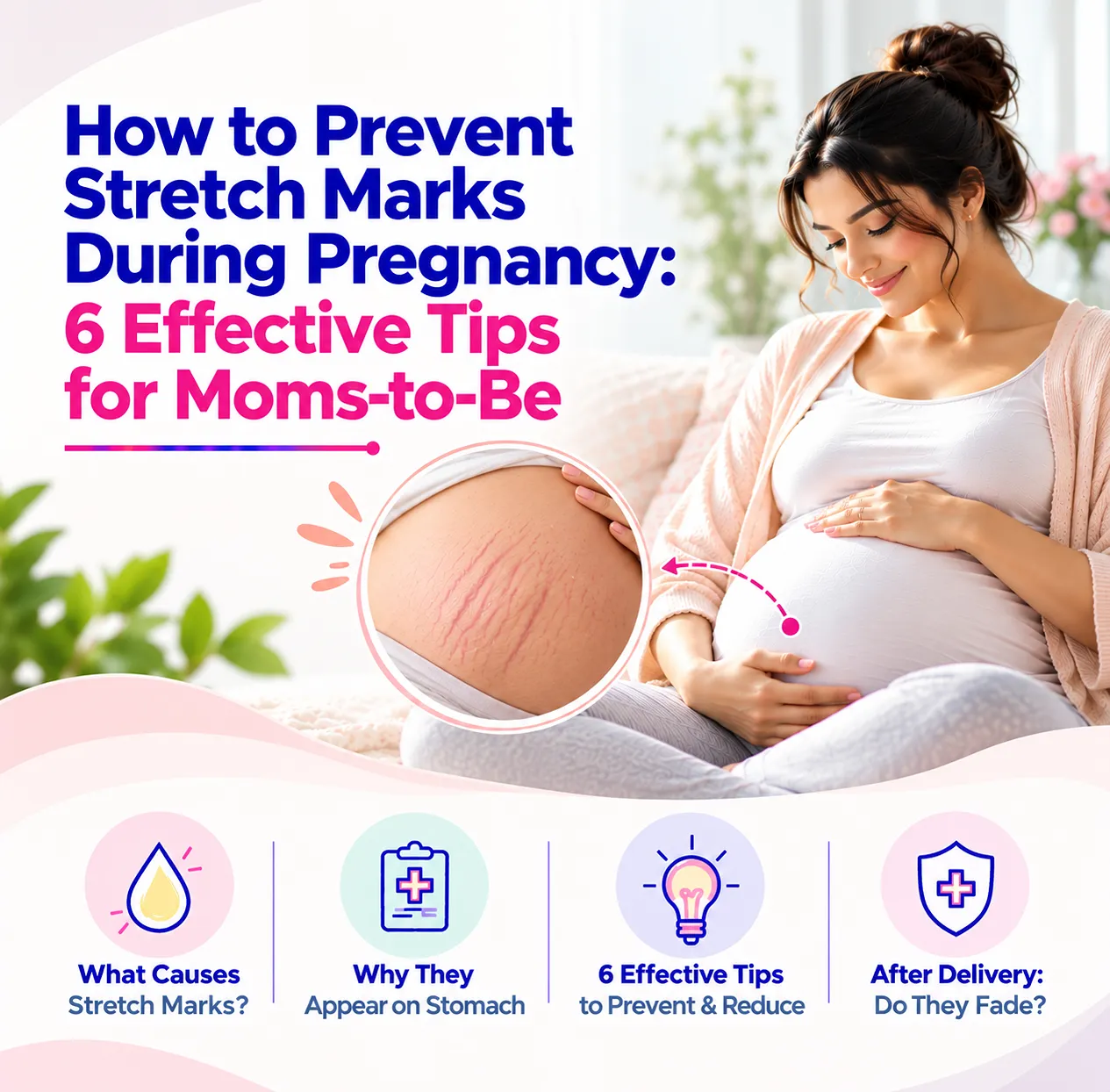
How to Prevent Stretch Marks During Pregnancy: 6 Effective Tips for Moms-to-Be
As your baby grows within the womb, your body changes in remarkable ways, and your skin stretches along with it. Stretch marks are common during pregnancy, especially around the abdomen, breasts, hips, and thighs. While you can't always prevent them completely, simple steps can s