



Categories
Paediatric Summer Safety: A Physician-Backed Checklist for Heat, Water, and Sun
May 02, 2026
Why Children Are More at Risk in Summer
Children have a higher body surface area relative to their weight, which means they absorb heat from the environment more rapidly. They also sweat less efficiently than adults and are not always aware of when they need to stop, drink water, or move to a cooler area. Younger children, in particular, depend entirely on caregivers to manage these risks.Heat Safety Checklist for Parents
Keeping children safe from heat starts with a few reliable habits:- Hydration First: Encourage children to drink water regularly throughout the day, not just when they feel thirsty. Thirst is a late indicator of dehydration in children.
- Limit Outdoor Time During Peak Hours: The Sun is strongest between 11 AM and 4 PM. Try to schedule outdoor activities for earlier in the morning or later in the evening during the summer.
- Watch for Signs of Heat Exhaustion: Heavy sweating, pale skin, weakness, a fast heartbeat, or nausea. Move the child to a cool area immediately and offer water.
- Never Leave a Child in a Parked Car: Car interiors heat up very rapidly. Even a few minutes in a hot car can be dangerous for young children.
- Use Cooling Measures: Wet cloths, fans, and cool (not ice-cold) water baths can help bring down body temperature in overheated children.
Sun Protection Tips
Sunburn in childhood is associated with a higher risk of skin cancer later in life. A consistent Sun protection routine is part of good pediatric summer safety practice.- Sunscreen: Apply a broad-spectrum sunscreen with SPF 30 or higher to all exposed skin, at least 20 minutes before going outdoors. Reapply every two hours and after swimming.
- Protective Clothing: Lightweight, full-sleeved clothing in light colours and wide-brimmed hats offer physical protection, especially for younger children who may not tolerate sunscreen easily.
- Sunglasses: Children's eyes are more sensitive to UV exposure. Choose sunglasses that offer UV400 protection.
- Note: Sunscreen is generally not recommended for babies under six months. Keep them in the shade and covered instead.
Water Safety Guidelines
Children generally love playing with and in water. It is joyous to watch them do that, but as a caretaker, you need to be extra careful. They might drown themselves if left unattended. These steps are non-negotiable:- Supervision at All Times: An adult should always be within arm's reach of young children near any body of water, including paddling pools.
- Swimming Lessons: Children who learn basic swimming and floating skills early are at lower risk. Most children are ready to begin formal lessons at age four.
- Life Jackets: Use properly fitted life jackets for boat trips and open water activities, regardless of swimming ability.
- Pool Barriers: Pools at home should have a fence with a self-closing, self-latching gate to prevent unsupervised access.
Food Safety in Summer
Warm temperatures accelerate bacterial growth in food. Avoid leaving food out for more than an hour in the heat, keep perishables refrigerated, and ensure children wash their hands before eating during outdoor activities.Conclusion
Paediatric summer safety is not about avoiding outdoor fun but about making it safer. With the right precautions around heat, Sun, and water, the season can be enjoyable without unnecessary health risks. If your child shows signs of heat illness, sunburn, or any water-related distress, seek medical attention promptly. The paediatric team at Rainbow Children's Hospital is equipped to handle summer-related health concerns in children of all ages. In case you identify any of the mentioned issues in your child, do not hesitate to call us and book an appointment.Disclaimer
This content is intended for general awareness only and does not substitute professional medical guidance. Always consult a qualified paediatrician for specific health advice for your child. Related BlogView More
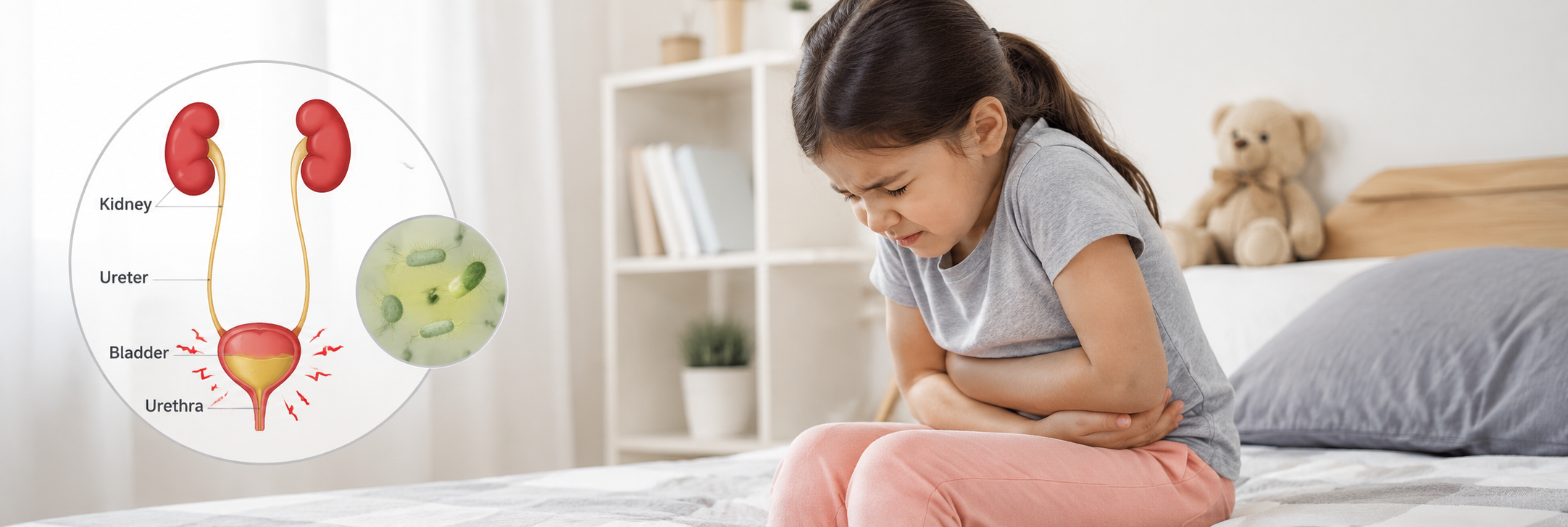
UTIs in Children: Symptoms, Causes, Treatment, and Prevention Guide
Urinary Tract Infections (UTIs) can be uncomfortable and distressing for children, especially when symptoms are difficult for them to explain. UTIs in children are relatively common and may affect the bladder, urethra, or kidneys. Early diagnosis and treatment are important

Otosclerosis in Kids: Causes, Symptoms and Treatment Explained
Otosclerosis is a condition that affects hearing due to abnormal bone growth in the middle ear. Although it is more commonly seen in adults, in rare cases it can also affect children, leading to gradual hearing difficulties. Early recognition of otosclerosis symptoms is important

Vitamin D Deficiency in Kids: Signs, Risks, and Solutions
Vitamin D deficiency in kids is becoming increasingly common due to reduced outdoor activity, limited sun exposure, and dietary gaps in growing children. This essential nutrient plays a key role in bone strength, muscle development, and immunity. When levels are low, children
Dehydration in Children: Symptoms, Stages, and Clinical Care
Dehydration in children can be worrying for parents, especially when symptoms appear suddenly during illness. It happens when a child loses more fluids than they take in, commonly due to fever, vomiting, or diarrhoea. Early signs may include thirst, dry mouth, reduced urine, and