


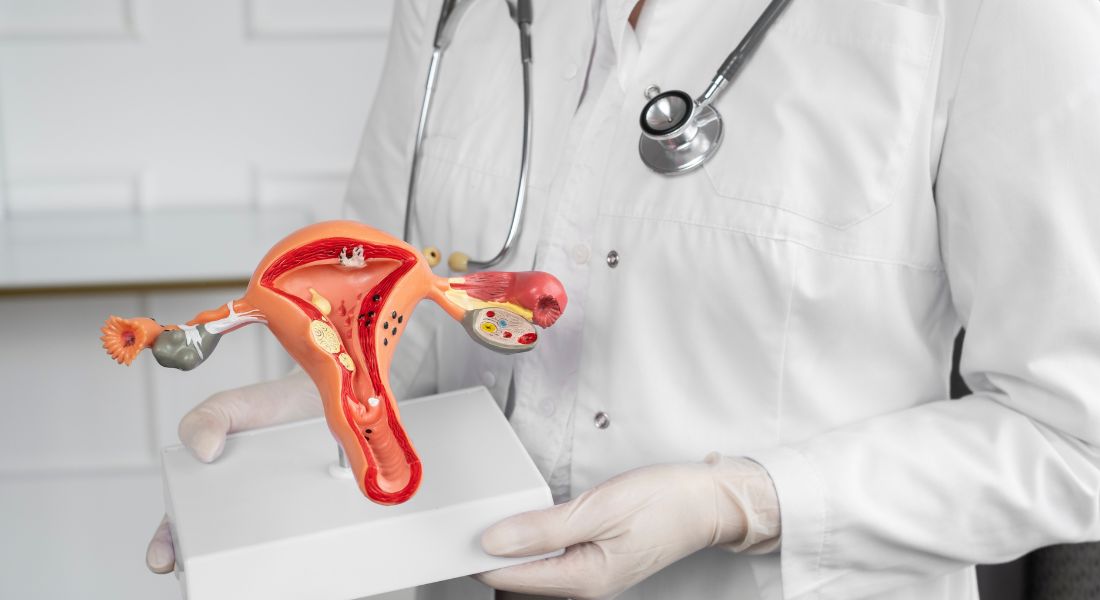
Categories
Hysteroscopy: Purpose, Procedure, Uses & Recovery time
Oct 27, 2022
Purpose of a Hysteroscopy
The best gynecologist in Hyderabad often recommends the hysteroscopy procedure in several situations. The procedure has its uses for both diagnostic and surgical purposes. Some common purposes of a hysteroscopy include:- To visually confirm the results of another medical test
- To help in removing polyps and fibroids
- To be used along with a laparoscopic procedure
- For discovering malformations being present in the uterus
- Before a curettage and dilation procedure
The Hysteroscopy Procedure: Step-by-Step
You may be referred to a specialist by your doctor for this procedure. During a hysteroscopy, you need to be in the same position you normally would during a regular gynecological exam, with your feet lifted in the stirrups. The hysteroscopy procedure involves the following clinical steps:- The doctor will use a tool known as a speculum for spreading the cervix. It is similar to what is done during regular gynecological exams.
- The hysteroscopy device will then be inserted through the opening of the vagina. The doctor will continue to move the device through the cervix into the uterus.
- The doctor will then gently send carbon dioxide gas or liquid through the device into the uterus to slightly widen it and clear the surface.
- With the help of a camera and light at the end of the device, the doctor can see the fallopian tubes and uterus. With that, they can perform the required surgical procedure or diagnose any particular issue.
Pain Management and Timing
Usually, the procedure is not painful, although you may feel some cramping. Your doctor may give you some sedatives that you can take before the procedure to help you be more relaxed. How much anesthesia you need depends on why the procedure is being performed and where you will be having it.Hysteroscopy can be performed at a hospital or even in a doctor’s office. Depending on the specific surgery or diagnosis being performed, the procedure takes around 5–30 minutes to complete.
In most cases of diagnostic hysteroscopy, it can be performed in a doctor’s office with regional or local anesthesia. The same is the case when small polyps are being removed. If the hysteroscopy is being performed along with another more complex surgery, it may need to be performed at a hospital. In such cases, the doctor uses regional or general anesthesia based on the extent of the surgery.
Diagnostic vs. Operative Hysteroscopy Uses
Hysteroscopy can be used to perform a diagnosis or an operation.- Diagnostic Hysteroscopy: This is used for diagnosing issues with the uterus. It can also be used for confirming the results of other diagnostic tests like an HSG (hysterosalpingography).
- Operative Hysteroscopy: This is performed for correcting a problem or abnormality that has been detected during diagnosis.
Operative hysteroscopy can be used for the treatment of the following conditions:
- Fibroids and polyps
- Uterine adhesions (scar tissue)
- Uterine septums (congenital malformations)
- Abnormal bleeding
Post-Procedure Recovery Time
The length of your recovery depends entirely on why the hysteroscopy was performed. However, after any hysteroscopy surgery in Delhi, there are some common things you should expect to experience, including:- Slight spotting or light bleeding for a day or so
- Mild lower abdominal cramping
- Shoulder pain (in case carbon dioxide gas was used to expand the uterus)
- Dizziness or feeling lightheaded
- Mild nausea
Conclusion
A hysteroscopy procedure is a highly effective, minimally invasive technique that serves as a cornerstone for evaluating and treating structural uterine concerns. Whether you require a diagnostic evaluation or an operative intervention, partnering with specialized gynecological experts ensures maximum precision, safety, and comfort. Contact the expert Gynecologists at BirthRight by Rainbow Hospitals for a personalized consultation and comprehensive evaluation. You can visit www.rainbowhospitals.in or call 18002122 to book your appointment.Disclaimer:
The information contained in this article is intended for educational and informational purposes only and should not be used as a substitute for professional medical advice, diagnosis, or treatment. Always seek the advice of your gynecologist, obstetrician, or other qualified healthcare provider with any questions you may have regarding a surgical procedure, clinical diagnostic tests, or your post-operative recovery timeline. Dr. RENUKA R L N MBBS, DGO, Fellowship in Reproductive Medicine BirthRight by Rainbow Hospitals, Banjara Hills, HyderabadRelated BlogView More

Egg Freezing in India: What Career-Focused Women Really Need to Know
In this episode of Birth Vibes by BirthRight Rainbow, Dr. Ratna Durvasula, Fertility specialist from BirthRight Fertility by Rainbow Hospitals, sits down with Ms. Aparna Reddy, an HR leader at a leading MNC and a doctorate holder in Business Administ

Fertile Window & Ovulation: How to Calculate Your Most Fertile Days
If you're trying to conceive, spacing your pregnancies, or simply trying to understand your body better, two terms come up again and again: fertile window and ovulation. They're related, but they're not the same thing — and mixing them up is one of the most common reasons

Can a Varicocele Impact Your Fertility? Signs, Symptoms & Causes
For a man in his early 30s, a fertility workup may unexpectedly reveal a varicocele, even when he has never noticed pain or swelling. The immediate question is often, can varicocele cause infertility? Varicoceles are common findings during male fer
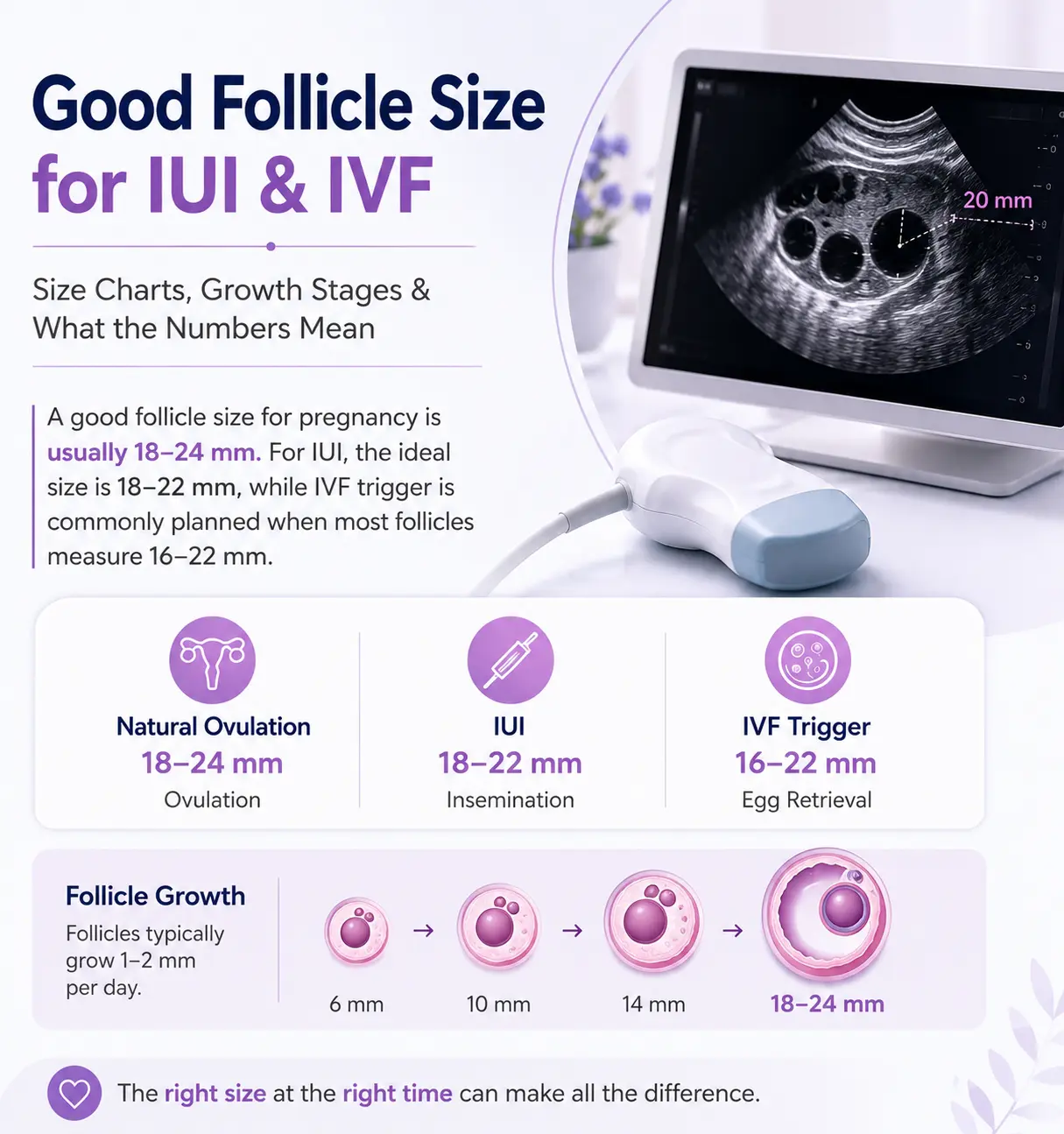
Good Follicle Size for IUI & IVF: Size Charts, Growth Stages & What the Numbers Mean
If you're trying to conceive naturally or undergoing IUI or IVF, you've likely wondered whether your follicle size is ideal. Follicle size isn't just a number on an ultrasound or on your report—it is one of the most trusted indicators fertility specialists use to as