



Categories
Is the HPV Vaccine Safe? Addressing Common Myths and Side Effects in 2026
May 04, 2026
What is the HPV Vaccine?
The HPV vaccine protects against certain strains of the Human Papillomavirus, a very common sexually transmitted infection. Some strains of HPV are responsible for the majority of cervical cancer cases, as well as cancers of the throat, anus, vulva, vagina, and penis. The vaccine works by preventing infection with the highest-risk strains before any exposure occurs. The HPV vaccine is recommended primarily for adolescents, ideally before sexual activity begins, though it can also be given to young adults. In India, it is recommended for girls aged 9 to 14 as part of a primary prevention strategy against cervical cancer.Common Myths About the HPV Vaccine
- Myth 1: The Hpv Vaccine Encourages Early Sexual Activity.
- Myth 2: The Vaccine Can Cause Infertility.
- Myth 3: If You Have Already Been Sexually Active, The Vaccine Is No Longer Useful.
- Myth 4: Cervical Screening Is Enough; The Vaccine Is Unnecessary.
Known Side Effects of the HPV Vaccine
The HPV vaccine has a well-established safety profile. Most side effects are mild and temporary:- Injection Site Reactions: Pain, redness, or swelling at the injection site are the most commonly reported side effects. These typically resolve within a day or two.
- Headache and Fatigue: Some individuals report mild headaches or tiredness following vaccination. These are short-lived.
- Low-Grade Fever: Occasionally reported and resolves on its own without treatment.
- Fainting (Vasovagal Syncope): This can occur after any injection, not just the HPV vaccine. This is why individuals are advised to remain seated for 15 minutes post-vaccination.
Who Should Receive the HPV Vaccine?
The HPV vaccine is most effective when given before exposure to the virus. In India, it is recommended for:- Girls aged 9 to 14 as a two-dose schedule (given six months apart)
- Girls and women aged 15 to 26 as a three-dose schedule
- Boys are also eligible in several countries and may benefit from HPV vaccination for protection against related cancers
Conclusion
The HPV vaccine has a proven track record across millions of doses administered globally. The myths surrounding it are not supported by scientific evidence, while the benefits, particularly in reducing cervical cancer risk, are well-documented. Choosing to vaccinate is one of the most impactful preventive health decisions a family can make. The women's health and vaccination team at Rainbow Hospitals can guide families through the right schedule and address any questions or concerns in a clear, evidence-based way.Disclaimer
This content is for educational and awareness purposes only. Vaccination decisions should be made in consultation with a qualified medical professional who can advise based on individual health history. Related BlogView More
Pregnancy with Pre-Existing Heart Disease: What Every Expectant Mother Needs to Know
Bringing a new life into the world is an extraordinary journey, but for women diagnosed with a heart condition, it often comes with a heavy dose of fear. For decades, women with cardiac conditions were routinely discouraged from considering pregnancy. Families were frequently
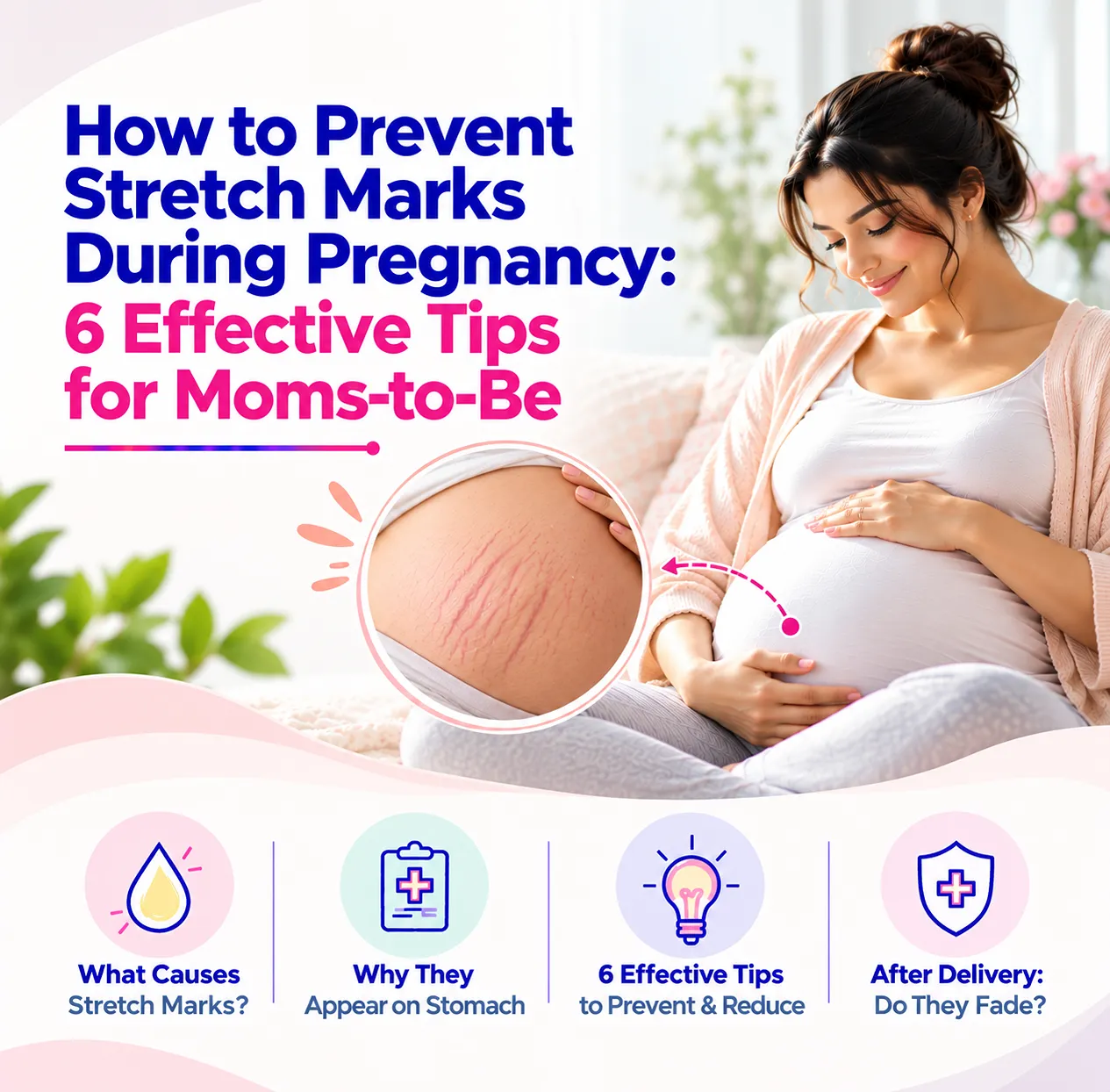
How to Prevent Stretch Marks During Pregnancy: 6 Effective Tips for Moms-to-Be
As your baby grows within the womb, your body changes in remarkable ways, and your skin stretches along with it. Stretch marks are common during pregnancy, especially around the abdomen, breasts, hips, and thighs. While you can't always prevent them completely, simple steps can s
Breast Leaking During Pregnancy: Colostrum & When to Seek Help
Noticing a few drops of fluid from your breasts during pregnancy can be unexpected, especially if it happens before you have started thinking about breastfeeding. In many cases, this is simply colostrum, the nutrient-rich first milk your breasts begin preparing before your bab
10 Safe Tips & Best Foods to Increase Breast Milk Supply Naturally
Wondering whether your baby is getting enough breast milk is common, especially in the first few weeks after birth when feeding patterns are still settling. Milk supply can naturally vary, and in many cases, small changes in feeding technique, frequency, rest, hydration and nutri