


Categories
HPV Vaccination and Fertility: Is There Any Real Impact?
Jun 02, 2026
What is the HPV Vaccine?
HPV is one of the most common viral infections worldwide and can affect both men and women. The HPV vaccine protects against certain strains of HPV that are linked to cervical cancer, genital warts, and other HPV-related conditions. The vaccine works by helping the immune system recognise and defend against high-risk HPV strains before exposure occurs. It is commonly recommended during adolescence or early adulthood, before becoming sexually active, although adults within eligible age groups may also benefit from vaccination. The vaccine has been extensively studied for safety and effectiveness and is considered an important preventive healthcare measure. If you have concerns about your reproductive health, you can consult a fertility specialist online for personalised medical guidance. At Rainbow Hospitals, experienced specialists work together to provide care and evidence-based advice on HPV vaccination and fertility.Does the HPV Vaccine Cause Infertility?
One of the most common misconceptions about HPV vaccination is the belief that it may cause infertility. As of May 2026, there is no scientific evidence showing the negative impact of the vaccine on fertility in women or men. However, the vaccination can cause temporary side effects, such as mild fever, fatigue, or changes in menstrual periods. These temporary effects are usually short-term and are not linked to infertility or long-term reproductive health concerns. Therefore, gynaecologists, fertility specialists, immunologists, and public health experts continue to recommend HPV vaccination as a safe preventive healthcare measure.How Does the HPV Vaccine Actually Protect Fertility?
Contrary to the misconception surrounding the HPV vaccination, the HPV vaccine helps protect reproductive health by:- Preventing Cervical Cancer: The vaccine lowers the risk of cervical cancer caused by high-risk HPV strains.
- Reducing the Need for Cervical Procedures: The vaccine prevents severe cervical abnormalities, which may reduce the need for invasive procedures involving the cervix, which can affect future pregnancies.
- Long-Term Health Benefits: By reducing the chances of an HPV infection, the vaccine contributes to improved overall reproductive well-being.
When Should You Consult a Fertility Specialist?
Although HPV vaccination is not associated with infertility, some individuals may still have concerns regarding reproductive health or fertility planning. You should consult a fertility specialist online if you face the following concerns:- Difficulty Conceiving: If you continue to face difficulty conceiving after an extended period of trying, a medical assessment may be helpful.
- Irregular Menstrual Cycle: Persistent irregularities in menstrual cycles should be evaluated by a healthcare provider.
- Existing Health Conditions: Existing reproductive health conditions, such as endometriosis and Polyendocrine Metabolic Ovarian Syndrome (PMOS), formerly known as Polycystic Ovary Syndrome (PCOS), may affect fertility planning.
- Vaccine Anxiety: Concerns related to HPV vaccine myths and fertility can be discussed with specialists.
Conclusion
The belief that the HPV vaccine causes infertility is not supported by scientific evidence. On the contrary, HPV vaccination plays an important role in protecting cervical and reproductive health by reducing the risk of HPV-related diseases and complications. Having access to accurate medical information is important for making informed healthcare decisions and avoiding unnecessary fear caused by misinformation. Seeking timely guidance from qualified healthcare professionals ensures better awareness and preventive care.FAQs
Is the HPV vaccine affecting fertility?
Based on the scientific evidence available as of May 2026, the HPV vaccine does not affect fertility in men or women. On the contrary, the vaccine helps in the prevention of HPV-related diseases that may harm long-term reproductive health.Is it true that 80% of people have HPV?
HPV is quite common and sexually active individuals may get exposed to the virus at some point in life. However, in most cases, individuals do not show any symptoms or experience long-term health complications.What age is too late for the HPV vaccine?
HPV vaccination is most effective before a person is exposed to HPV, but adults may still benefit depending on medical guidance. It is suggested to consult a fertility doctor online to determine whether or not the HPV vaccine is appropriate for you based on your age and health.Does the HPV vaccine cause late periods?
Some individuals may notice temporary menstrual changes after vaccination. However, there is no evidence linking the vaccine to long-term menstrual problems or infertility.Can I get pregnant after getting the HPV vaccine?
Yes, you can get pregnant after getting the HPV vaccine. The vaccine does not prevent pregnancy or reduce fertility. Many individuals have healthy pregnancies after completing the recommended HPV vaccination schedule.Medical Disclaimer:
This content is for general educational purposes only and does not replace professional medical advice. Consult a fertility specialist if you have concerns related to reproductive health, fertility planning, or HPV vaccination.Related BlogView More
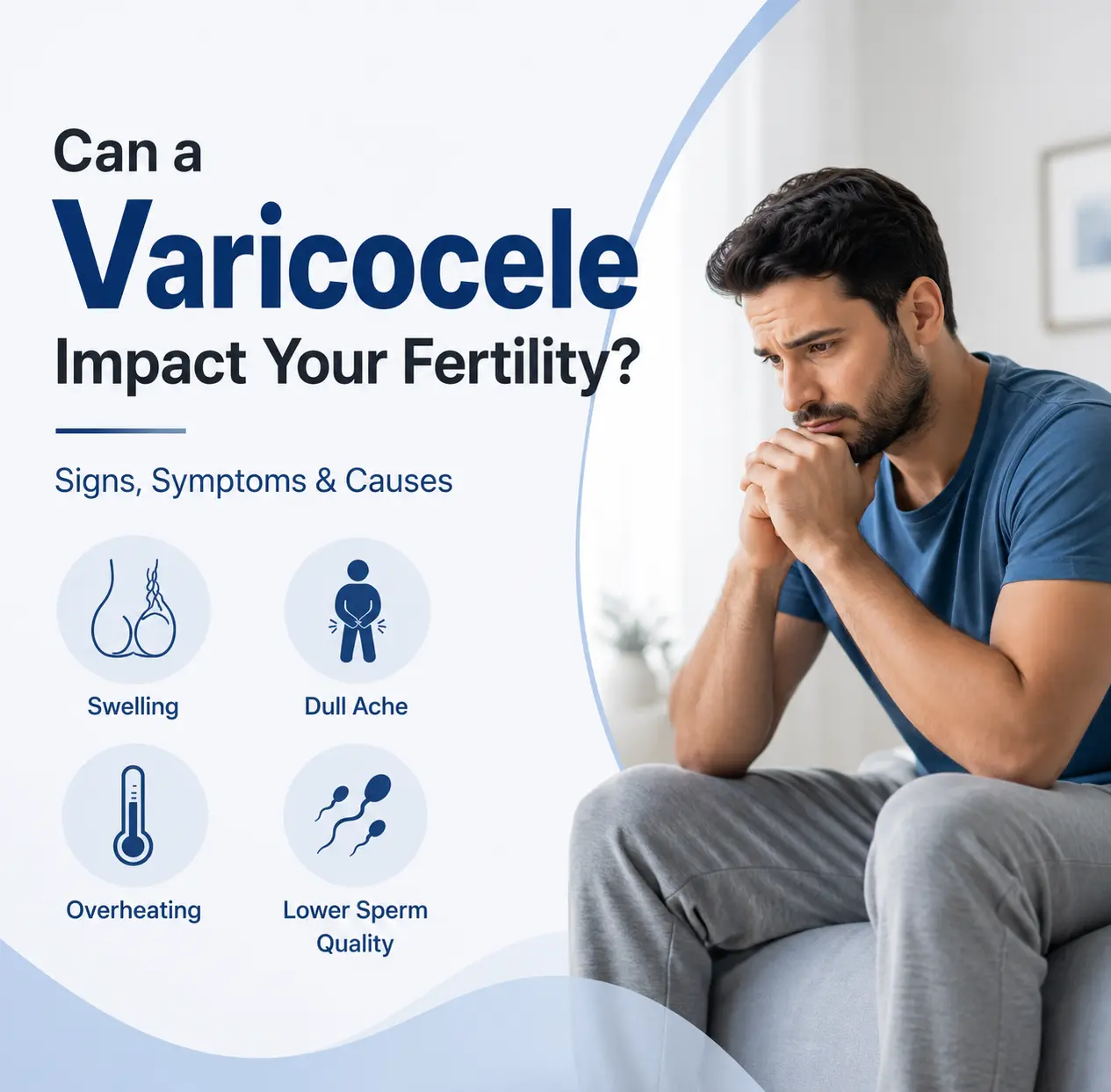
Can a Varicocele Impact Your Fertility? Signs, Symptoms & Causes
For a man in his early 30s, a fertility workup may unexpectedly reveal a varicocele, even when he has never noticed pain or swelling. The immediate question is often, can varicocele cause infertility? Varicoceles are common findings during male fertility evaluation, but
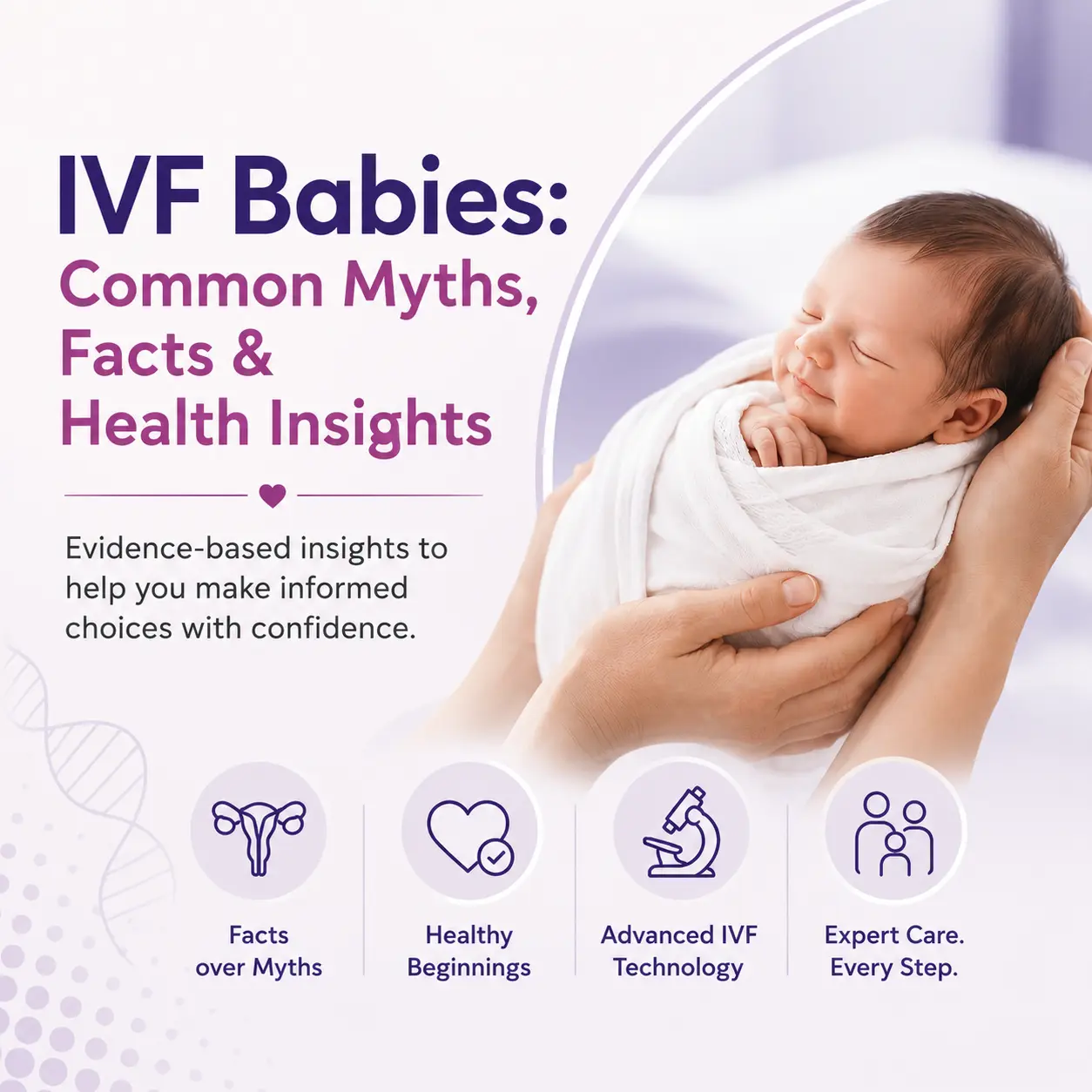
IVF Babies: Common Myths, Facts & Health Insights
For many couples, fertility treatment is a journey filled with hope and important questions. One of the most common concerns is whether an IVF baby will be as healthy as a naturally conceived child. The reassuring news is that decades of research show that most childr
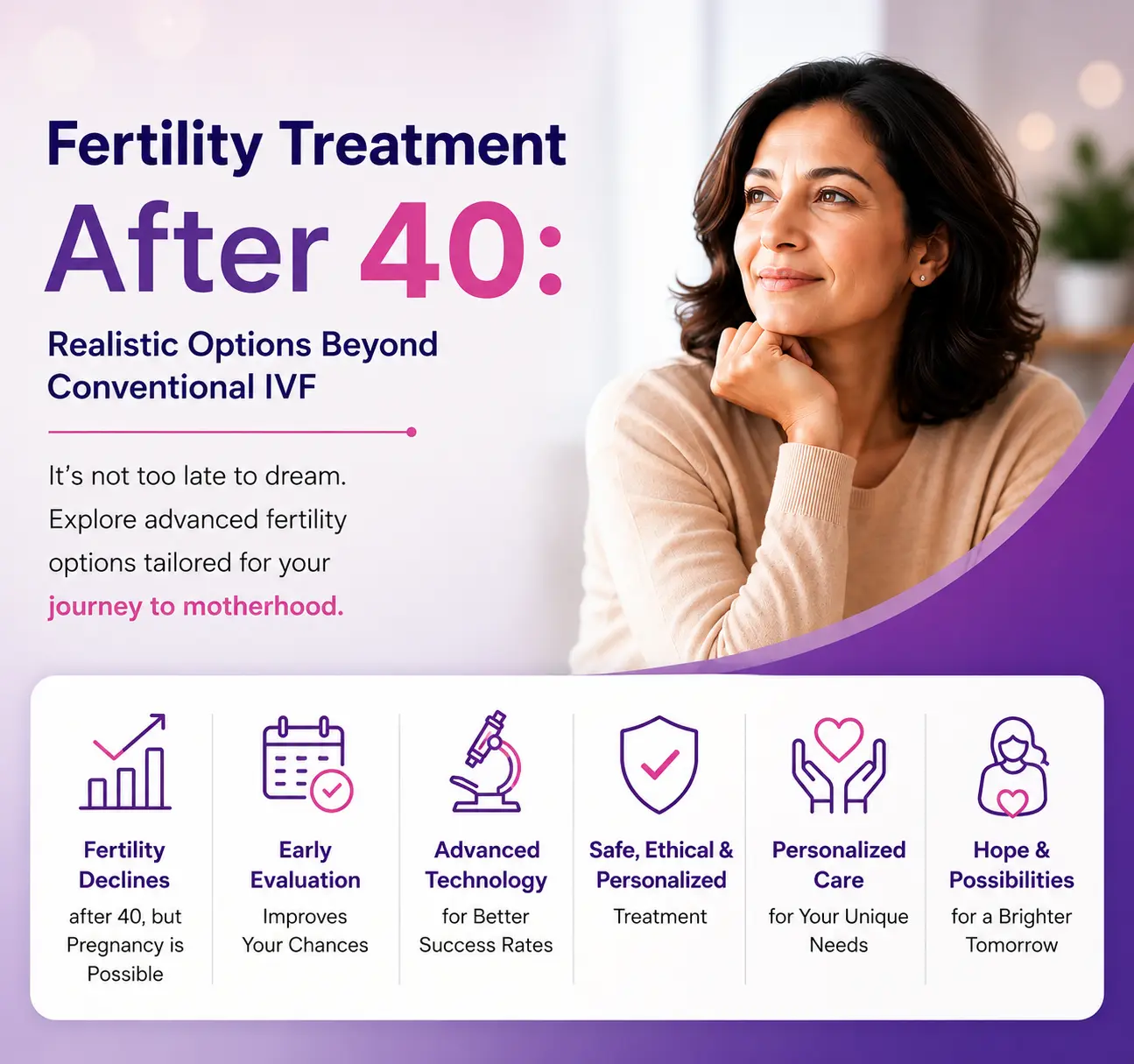
Fertility Treatment After 40: Realistic Options Beyond Conventional IVF
Pregnancy After 40: Understanding Your Fertility Options, Success Chances & Next Steps Many women today are choosing to start or grow their families in their late thirties or even forties. Whether due to career aspirations, personal circumstances, or finding t

Female Fertility and Diabetes: How Lifestyle Impacts Your Path to Parenthood
The relationship between chronic health conditions and reproductive well-being is becoming more evident in women's healthcare. One such connection is between diabetes and female fertility, where blood sugar imbalance can influence hormonal health, ovulation, and