


Categories
Baby Winter Vaccination Guide: Flu Shots and Recommended Immunizations
Feb 22, 2026
Baby vaccination in India has two layers
Government schedule vaccines
These are part of the routine national programme. They protect against high-burden diseases and are timed early because babies are most vulnerable in the first year. In simple terms, this layer includes vaccines given around:- birth
- 6, 10, and 14 weeks
- 9–12 months
- 16–24 months
- 5–6 years
- later boosters in school years
Paediatrician-recommended additional vaccines
Some vaccines are not part of the government programme everywhere, or are offered widely in private practice as added protection based on disease patterns, day-care exposure, travel, and local outbreaks. Flu vaccination sits in this layer for many families. Both layers can be valid. The key is sequencing. Core due vaccines first. Then add extras without disrupting the timeline.Why winter changes the vaccination conversation
Winter does not change how vaccines work. Winter changes your baby’s exposure and your family’s capacity.- More indoor crowding increases respiratory infections.
- Viral season makes fever and cough common, which creates confusion about vaccine timing.
- Parents delay visits, then multiple vaccines pile up.
Flu shots for babies in winter
What the flu shot protects against
Influenza is not the same as “a cold”. It can cause high fever, severe body ache, prolonged fatigue, and complications in young children. The flu shot reduces the chance of severe influenza illness. It also reduces hospital visits in many seasons.When babies can get a flu shot
For most flu vaccines used in children, the starting age is 6 months. If your baby is under 6 months, they cannot receive the flu shot. Protection then comes from:- vaccination of close caregivers (“cocooning”)
- hand hygiene and avoiding sick contact
- breastfeeding support where possible
How many doses are needed the first time
For many children, the first flu season requires two doses a few weeks apart. After that, it becomes one dose each season. Your paediatrician will confirm the exact product and schedule used in your clinic.When to take it in relation to winter
The best time is before the peak spread in your area, but late is still better than never in a long season. If your baby is already 6 months+ and winter infections are circulating, a discussion is worthwhile.Recommended immunizations for babies during winter
This section is intentionally simple: winter does not create new “special vaccines”. Winter makes it more important to be on time.Birth and early infancy vaccines
These are time-sensitive because newborn risk is high. If your baby missed a birth dose due to a home birth or travel, catch-up should be planned early.6, 10, and 14-week vaccines
These are commonly given as combination vaccines. Parents often delay because “the baby has a cold every two weeks”. Minor colds are common in winter. If the baby is feeding and alert, vaccination is often still possible. The clinic will decide.9–12 months vaccines
This window matters because protection against illnesses like measles-rubella is time-linked. Winter travel and weddings often fall around this age, so delays happen.16–24 months boosters
Boosters exist for a reason. The first doses train the immune system. Boosters strengthen and extend protection.When you should postpone a baby vaccination
Postponing is a medical decision, not a fear decision. Common reasons a doctor may postpone:- moderate to high fever
- baby looks unwell or unusually sleepy
- breathing difficulty
- active vomiting with poor intake
- a recent severe allergic reaction to a previous dose (this needs review, not a casual skip)
What to expect after vaccination in winter
Normal reactions are usually short and manageable. Common:- mild fever
- irritability
- sleepiness
- soreness or swelling at the injection site
- slightly reduced appetite for a day
When to seek urgent care after vaccination
Urgent evaluation is needed if you see:- breathing difficulty
- swelling of lips/face
- widespread hives
- repeated vomiting with poor intake
- extreme sleepiness or poor responsiveness
- a very high fever or a baby who looks very unwell
A winter-proof baby vaccination plan that reduces mental load
This approach works when life is busy and illnesses are frequent.- Keep one document updated: photo of the vaccine card + next due date in your calendar.
- Treat “due date” as a window, not a single day: aim to complete within the recommended time range.
- If your baby is 6 months or older, discuss the flu shot once each season: decide based on day-care exposure, recurrent wheeze, chronic conditions, and your local infection pattern.
- Avoid stacking delays: missing one visit often creates two crowded visits later.
- Vaccinate caregivers when appropriate: it reduces infection brought into the home, especially for young infants.
Conclusion
A sensible baby vaccination plan in winter has one priority: stay on time with the routine schedule so protection builds when your baby needs it most. Flu shots become the main “winter add-on” discussion once your baby is old enough, especially with day-care exposure or frequent respiratory infections in the household. If you want a clean, personalised plan that matches your baby’s age, health, and local season pattern, Rainbow Children Hospital can guide you with clarity and steady follow-up.FAQs
1) Can my baby take vaccines if they have a cold?
Often yes if the cold is mild and the baby is feeding and active. Postponement is usually considered when there is significant fever or the baby looks unwell. Your paediatrician should decide at the visit.2) When can a baby get the flu shot?
Most flu vaccines used in children start from 6 months of age. If your baby is younger, caregiver vaccination and infection-control habits become the main protection.3) Does the flu shot cause flu?
No. Some babies get mild fever or tiredness after vaccination. That is an immune response. It is not influenza infection.4) What if we missed a vaccine because we travelled or the baby was sick?
Do not restart everything. Most missed doses can be caught up. Take the vaccine card to a paediatrician and ask for a catch-up plan based on your child’s exact dates.5) Can the flu shot be given along with routine vaccines?
In many cases, yes. Clinics often give multiple vaccines in the same visit using different injection sites. Your doctor will confirm what is suitable for your baby that day.Related BlogView More
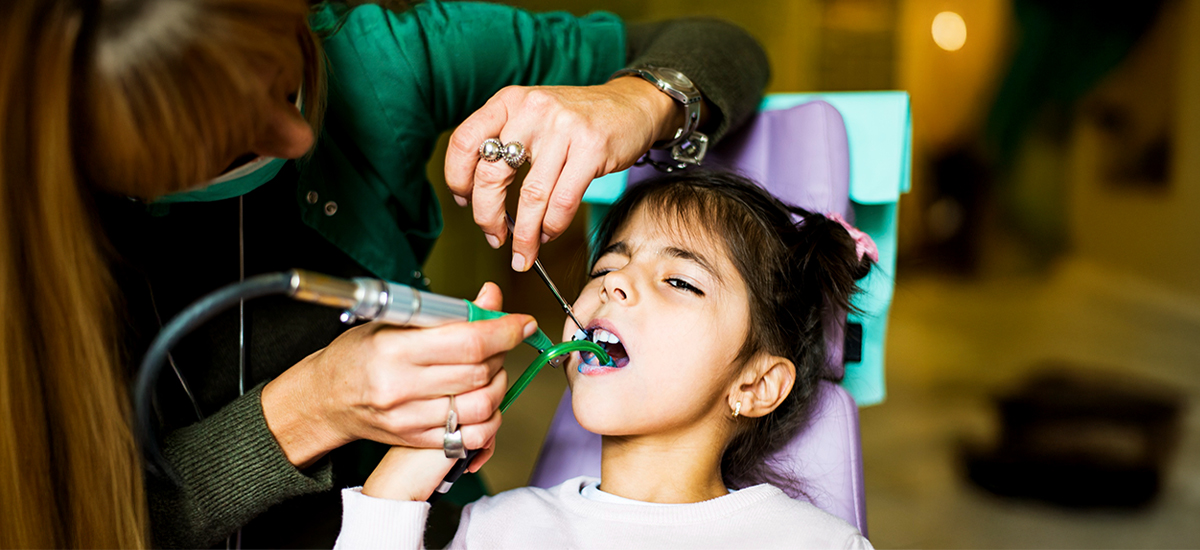
When Should Your Child Visit a Pediatric Dentist?
A small metal mirror, smaller than a teaspoon, sits on the tray in a pediatric dental clinic. Next to it is a tiny brush loaded with fluoride varnish. These two tools represent a hard-earned lesson from the last century of dentistry: children do better when dental care starts bef

When Does a Child Need Pediatric Surgery?
The ultrasound report has one line circled in pen: “Surgical opinion.” Your child is sitting next to you, asking for a snack. You feel stuck between two fears. You don’t want to delay something serious. You don’t want an unnecessary operation. This decision becomes e

Pediatric Cardiologist: When Should You See One for Pediatric Heart Problems?
Warm gel spreads on a child’s chest. A probe presses lightly between the ribs. On the screen, two chambers open and close in a steady rhythm. A valve flicks like a door on a hinge. This moving picture is an echocardiogram. It exists because Inge Edler and Hellmuth Hertz recorde

Pediatric Anesthesia: Is It Safe for Children?
A soft plastic clip sits on a child’s finger. A number appears on the monitor. The beep stays steady. This is a pulse oximeter, which measures oxygen in the blood continuously. Modern pediatric anesthesia became much safer after a concrete turning point: the 1986 Harvard “Sta