



Categories
All You Need to Know About Amniocentesis: A Comprehensive Guide
Oct 21, 2022
What is Amniocentesis ?
Amniocentesis is a procedure done in an expecting mother. It is a technique which involves withdrawing about 20 - 25 ml of amniotic fluid from the uterine cavity using a needle through the mother’s stomach and under continuous ultrasound guidance Amniotic fluid is the fluid that surrounds the growing fetus protecting it from injuries, infections and helps to regulate the baby s temperature and also allows it to move and develop properly Apart from this, the amniotic fluid contains the cells shed from the baby providing genetic information of the baby. On extracting these cells and examining them we can tell the genetic make up of the babyWhen is the Right Time to Perform the Procedure?
Between 16- 20 weeks is the right time to perform amniocentesis. It is done as an outpatient procedure in the ultrasound room. No admission to hospital is required. Patient will be sent home after a 2 hr period of observationWhen is Amniocentesis Advised?
Amniocentesis is advised when the baby is suspected to have chromosomal abnormalities or single gene disorders or to know if the fetus is effected with any other genetic diseases running in the family. It is also done to confirm if the fetus is infected with certain viral infectionsWhat Are the Risks of the Procedure?
Performed by an experienced person the risk to the pregnancy or the mother is very rare and almost nil However it is worth mentioning that the procedure has a risk of fetal loss of approximately 0.1% 1 in 1000 chances) when performed in the second trimester, after the amniotic membrane has fused with the chorion; there is also a risk of amniotic fluid leakage (approximately 0.3% of cases)Pre-Procedure and Post-Procedure Precautions
You need to inform your doctor if you are of negative blood group. You also need to inform if you have been infected with any chronic viral infections like (HIV/HBSAG/HCV) or has any history of recent fever of flu like symptoms. It is also advised to inform your doctor if you have been infected with COVID in the recent past or if you are on drugs like ASPIRIN or HEPARIN injections Also inform your doctor if you had bleeding per vagina in the past 2 weeksPost-Procedure Care
It is advised to take completed bed rest for 48 hrs post procedure and to avoid traveling or workouts or any other strenous activities in the next 7 days Seek immediate medical attention when the following symptoms are experienced after amniocentesis Severe stomach pain Bleeding or leaking from vagina Fever Vomitings Blood in the urine Redness or severe pain at the site of injectionConclusion
Amniocentesis is a highly precise diagnostic tool that offers clear, definitive answers regarding your baby’s genetic health when screening tests indicate an elevated risk. While the thought of an invasive procedure can be daunting, understanding that the associated risks are low when performed under continuous ultrasound guidance can provide reassurance.At BirthRight by Rainbow Hospitals, our dedicated fetal medicine specialists use advanced imaging, strict sterile protocols, and compassionate care pathways to prioritize the safety and well-being of both you and your baby throughout your prenatal journey.
Disclaimer:
The information contained in this article is intended for educational and informational purposes only and should not be used as a substitute for professional medical advice, diagnosis, or treatment. Always seek the advice of your physician, obstetrician, or other qualified healthcare provider with any questions you may have regarding a medical condition, travel safety guidelines, or prenatal care plan. Never disregard professional medical advice or delay in seeking it because of something you have read on this website.Related BlogView More

10 Safe Tips & Best Foods to Increase Breast Milk Supply Naturally
Wondering whether your baby is getting enough breast milk is common, especially in the first few weeks after birth when feeding patterns are still settling. Milk supply can naturally vary, and in many cases, small changes in feeding technique, frequency, rest, hydration and nutri

8 Ways Your Breasts Change During Pregnancy: Signs, Stages & What to Expect
Breast changes are often among the earliest signs that your body is preparing for pregnancy and breastfeeding. You may notice tenderness, fullness, darker nipples, more visible veins, or even a small amount of colostrum as the months progress. These changes don't happen

How to Prevent Stretch Marks During Pregnancy: 6 Effective Tips for Moms-to-Be
As your baby grows within the womb, your body changes in remarkable ways, and your skin stretches along with it. Stretch marks are common during pregnancy, especially around the abdomen, breasts, hips, and thighs. While you can't always prevent them completely, simple steps can s
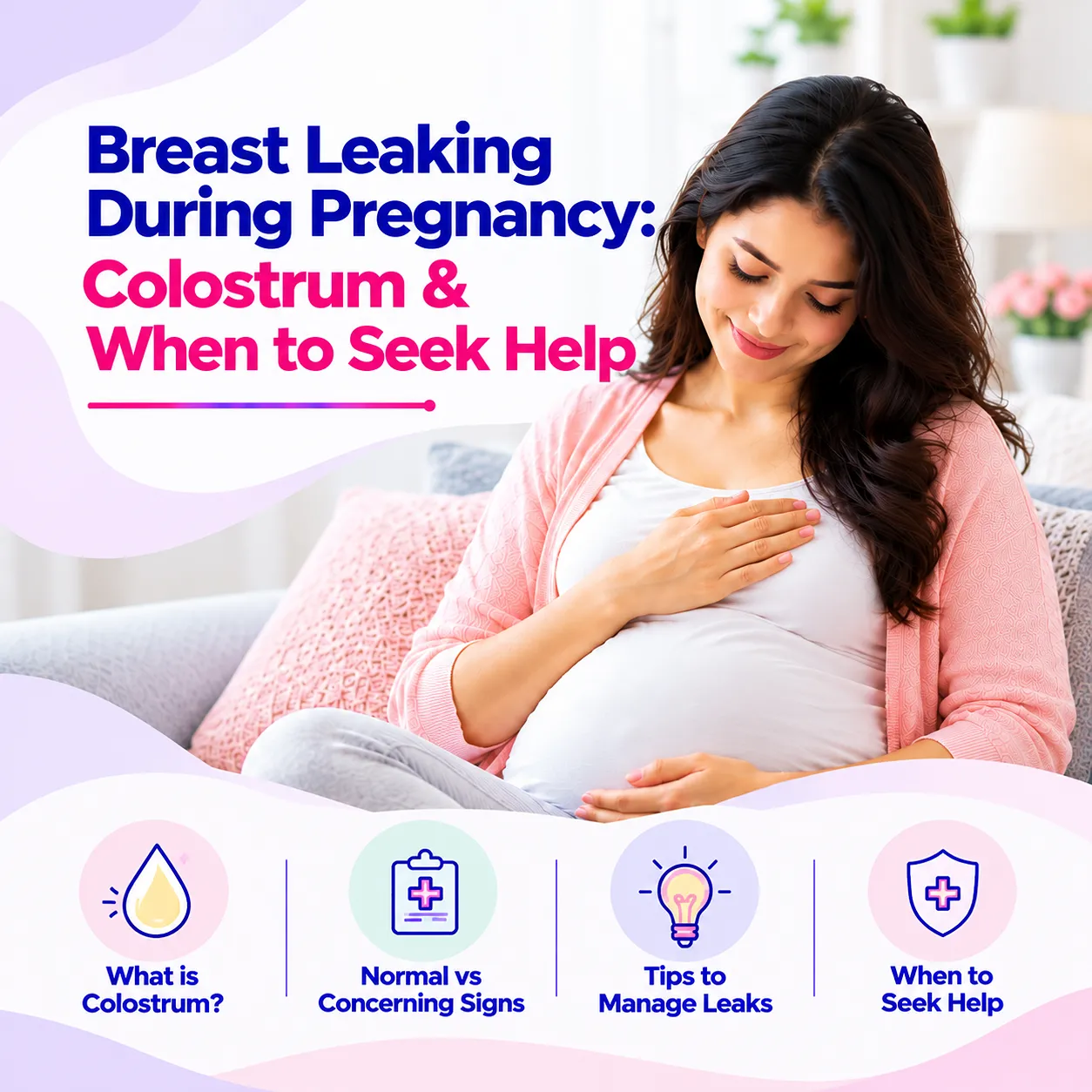
Breast Leaking During Pregnancy: Colostrum & When to Seek Help
Noticing a few drops of fluid from your breasts during pregnancy can be unexpected, especially if it happens before you have started thinking about breastfeeding. In many cases, this is simply colostrum, the nutrient-rich first milk your breasts begin preparing before your bab