


Categories
Is Your Period Pain Normal? Signs Heavy Bleeding Needs a Doctor's Attention
Oct 24, 2026
What Exactly Is Minimally Invasive Surgery?
When most people think of traditional open surgery, they picture what has been done for centuries: opening the abdomen through multiple layers of tissue with an incision roughly 10 centimeters long. While effective, traditional open surgery often comes with significant post-operative pain, higher blood loss, and a much slower recovery timeline. By contrast, minimally invasive surgery (MIS) utilizes advanced technology and surgical skill to minimize trauma to the abdominal wall:- Laparoscopy: Tiny 5-millimeter incisions are made on the abdominal wall to introduce specialized telescopes and operating instruments. A high-definition camera projects real-time images onto a screen, guiding the surgeon with exceptional precision.
- Hysteroscopy: A specialized scope is introduced directly through the vaginal cavity into the uterine cavity, allowing doctors to treat intrauterine conditions without any external cuts.
- Advanced Technology: Innovations like robotic surgery and precise energy devices (such as harmonic scalpels) allow surgeons to perform delicate dissections while causing minimal damage to surrounding healthy tissue.
Recovery, Pain, and Hospital Stay: How Keyhole Surgery Changes Everything
The physical differences between open surgery and minimally invasive keyhole procedures are stark:- Traditional Open Surgery: Requires extensive suturing of the abdominal wall, resulting in higher pain levels. Patients typically need to stay in the hospital for 7 to 8 days for the incision to heal before stitches are removed, returning to daily movement very gradually.
- Minimally Invasive Surgery: Because incisions are mere keyholes (often just 5 mm), patients experience significantly less post-op pain, smaller or even scarless healing, and a dramatically faster return to normal daily life.
Do All Fibroids and Ovarian Cysts Require Surgery?
Thanks to routine annual health checkups and advanced imaging, small issues like fibroids or ovarian cysts are frequently caught early—even in women who have zero symptoms. Naturally, seeing these findings on a scan causes immediate worry: Do I need an operation right away? The short answer is no.- Fibroids: If you randomly scanned 100 women at any given moment, roughly 60% to 70% would show some element of fibroids in varying sizes. Not all fibroids require medical or surgical treatment; intervention is only necessary when they begin causing symptoms or complaints.
- Ovarian Cysts: Many cysts detected on scans are "functional cysts"—a normal part of the monthly ovulation cycle that the body naturally absorbs and resolves within 3 to 4 months. Surgery is only considered if a cyst remains persistent or undergoes concerning changes.
Protecting Fertility: What Young and Unmarried Women Should Know
When surgeries are necessary for younger women—especially unmarried individuals or those who have not yet started a family—preserving future fertility is a top priority. At BirthRight, comprehensive care means these options are discussed proactively. If a condition poses a known risk to ovarian function, patients are counseled on oocyte retrieval and egg/tissue freezing. Working hand-in-hand with a full-fledged, working infertility department, specialists can help safeguard a woman’s family-planning dreams before any procedure takes place.Debunking Endometriosis Myths: Does It Really Go Away with Age or Pregnancy?
Endometriosis is an increasingly recognized condition where tissue similar to the lining of the uterus grows outside the uterus—such as on the ovaries, within the uterine musculature (adenomyosis), or on nearby organs like the bladder and rectum. Because this misplaced tissue responds to monthly hormonal cycles, it bleeds internally with nowhere to escape. Over time, this leads to chronic inflammation, scarring, severe menstrual cramps, and persistent pelvic pain. Unfortunately, many women receive outdated advice suggesting that endometriosis is something they just have to live with, or that it will magically vanish with age, marriage, or pregnancy.- It is a Progressive Condition: Endometriosis is an ongoing, benign-malignant-like disease that remains active in the body until natural or surgical menopause.
- The Pregnancy Myth: While pregnancy and breastfeeding temporarily suppress the menstrual cycle (giving the body a 9-to-15-month break from hormonal flaring), the condition can resume active symptoms once normal menstrual cycles return.
Why a Multidisciplinary Team Matters for Complex Gynecological Surgeries
Performing advanced laparoscopic surgeries, particularly for advanced stages of endometriosis (Stages III and IV) or complex pelvic masses, requires far more than just a skilled surgeon. A successful outcome relies on a comprehensive, multidisciplinary hospital ecosystem:- Advanced Operating Theatres (OT): Equipped with high-end laparoscopic towers, harmonic instruments, and specialized anesthetic monitoring designed for longer, deep-anesthesia procedures.
- Specialized Anesthetists: Experts trained to manage patients safely through complex minimally invasive procedures.
- Ancillary Surgical Specialties: Because pelvic organs like the uterus sit in close proximity to the bladder and bowel, having surgical gastroenterologists or urologists available ensures any unexpected adhesions or organ involvement can be expertly managed.
- Comprehensive Support: Dedicated blood banks, expert nursing teams trained in laparoscopic care, and advanced post-operative pain management protocols.
Frequently asked questions
Does every fibroid or ovarian cyst found on an ultrasound need to be removed?
No. The majority of small fibroids and functional ovarian cysts cause no symptoms and require zero treatment. Ovarian functional cysts often resolve on their own within 3 to 4 months. Surgery is only recommended if the growth causes painful symptoms, rapid changes, or persistent complications.
Can unmarried or young women undergo laparoscopic surgery without risking their fertility?
Yes. Modern
gynecological surgeons prioritize fertility preservation. Procedures are
meticulously planned to protect reproductive organs, and facilities like
BirthRight offer advanced options like oocyte retrieval and fertility
preservation for patients who need them.
Is endometriosis something that naturally goes away after marriage or pregnancy?
No.
Endometriosis is a progressive condition influenced by your body's natural
hormones, and it typically persists until menopause. While pregnancy pauses
menstrual cycles and offers temporary relief, symptoms often return once normal
cycles resume. Professional medical and surgical management is key to long-term
pain relief.
Are there any patients who cannot undergo minimally invasive surgery?
While
keyhole surgery is preferred in most cases, it may not be suitable for patients
who are medically unstable or have severe, critical cardiac or pulmonary (lung)
disorders. Because laparoscopy requires general anesthesia and controlled
ventilation, patients with compromised heart or lung function may require
alternative approaches. A thorough medical evaluation with your doctor will
determine the safest path forward.
Why is a multidisciplinary team necessary for advanced laparoscopic surgery?
Complex
gynecological conditions like severe endometriosis can involve surrounding
pelvic structures, including the bladder and bowel. Having a coordinated team
that includes high-risk gynecological surgeons, urologists, surgical
gastroenterologists, and specialized anesthetists ensures the highest standard
of safety, precision, and recovery outcomes.
Related BlogView More
Liver Conditions and Pregnancy: Managing Risks for a Healthy Outcome
Pregnancy is one of life’s most profound journeys - a time filled with joy, anticipation, and more than a few butterflies. As a woman's body nurtures new life, it undergoes extraordinary changes. While most pregnancies follow a smooth and healthy path, some expectant mothers na
Pregnancy with Pre-Existing Heart Disease: What Every Expectant Mother Needs to Know
Bringing a new life into the world is an extraordinary journey, but for women diagnosed with a heart condition, it often comes with a heavy dose of fear. For decades, women with cardiac conditions were routinely discouraged from considering pregnancy. Families were frequently

Coconut Water During Pregnancy: Benefits, Myths & Facts
Coconut water is a popular choice during pregnancy because it is light, refreshing, and naturally contains fluids and electrolytes. For most pregnant women, it can be enjoyed safely as part of a balanced diet, especially as an alternative to sugary drinks. At the same time
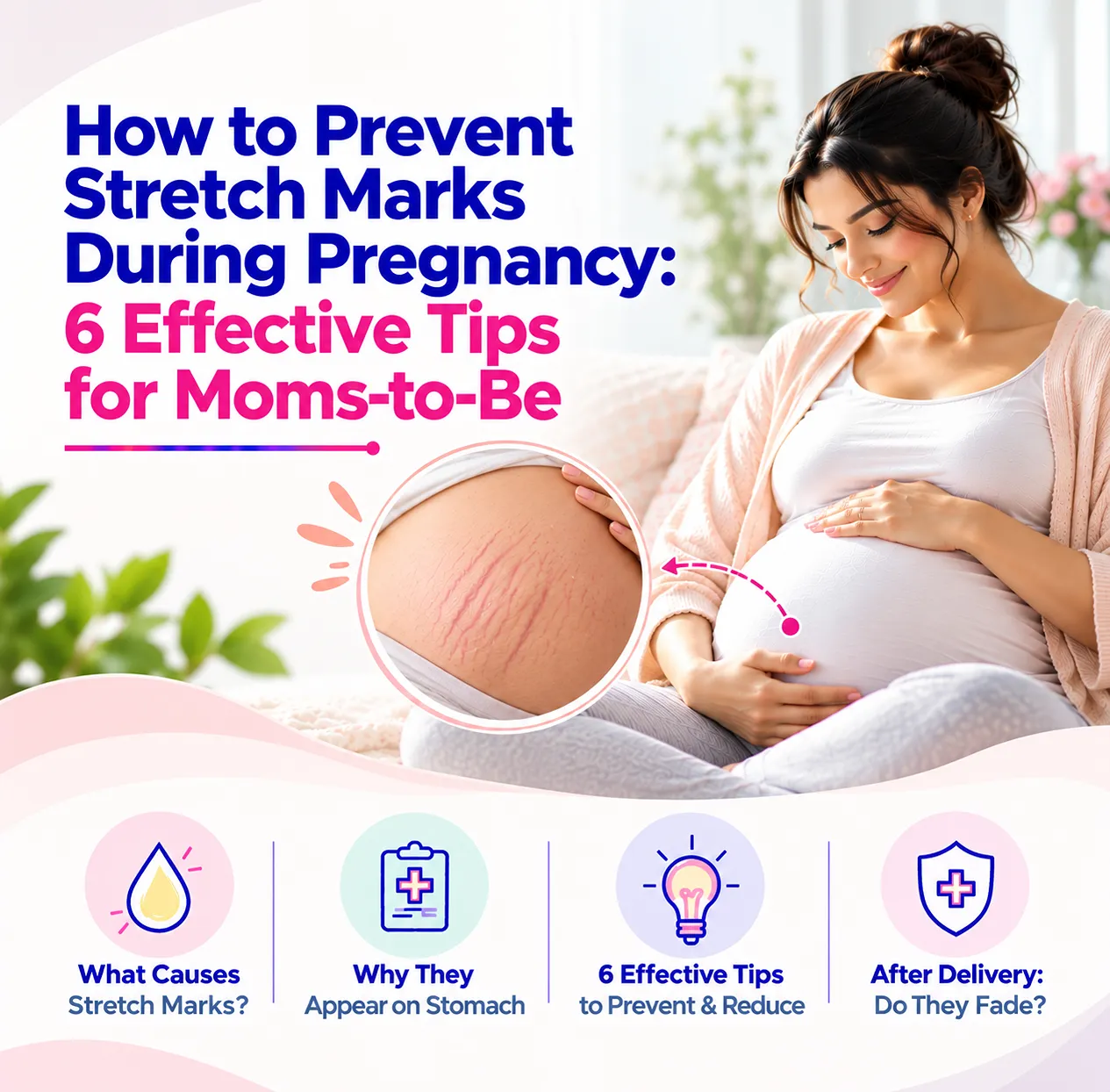
How to Prevent Stretch Marks During Pregnancy: 6 Effective Tips for Moms-to-Be
As your baby grows within the womb, your body changes in remarkable ways, and your skin stretches along with it. Stretch marks are common during pregnancy, especially around the abdomen, breasts, hips, and thighs. While you can't always prevent them completely, simple steps can s